
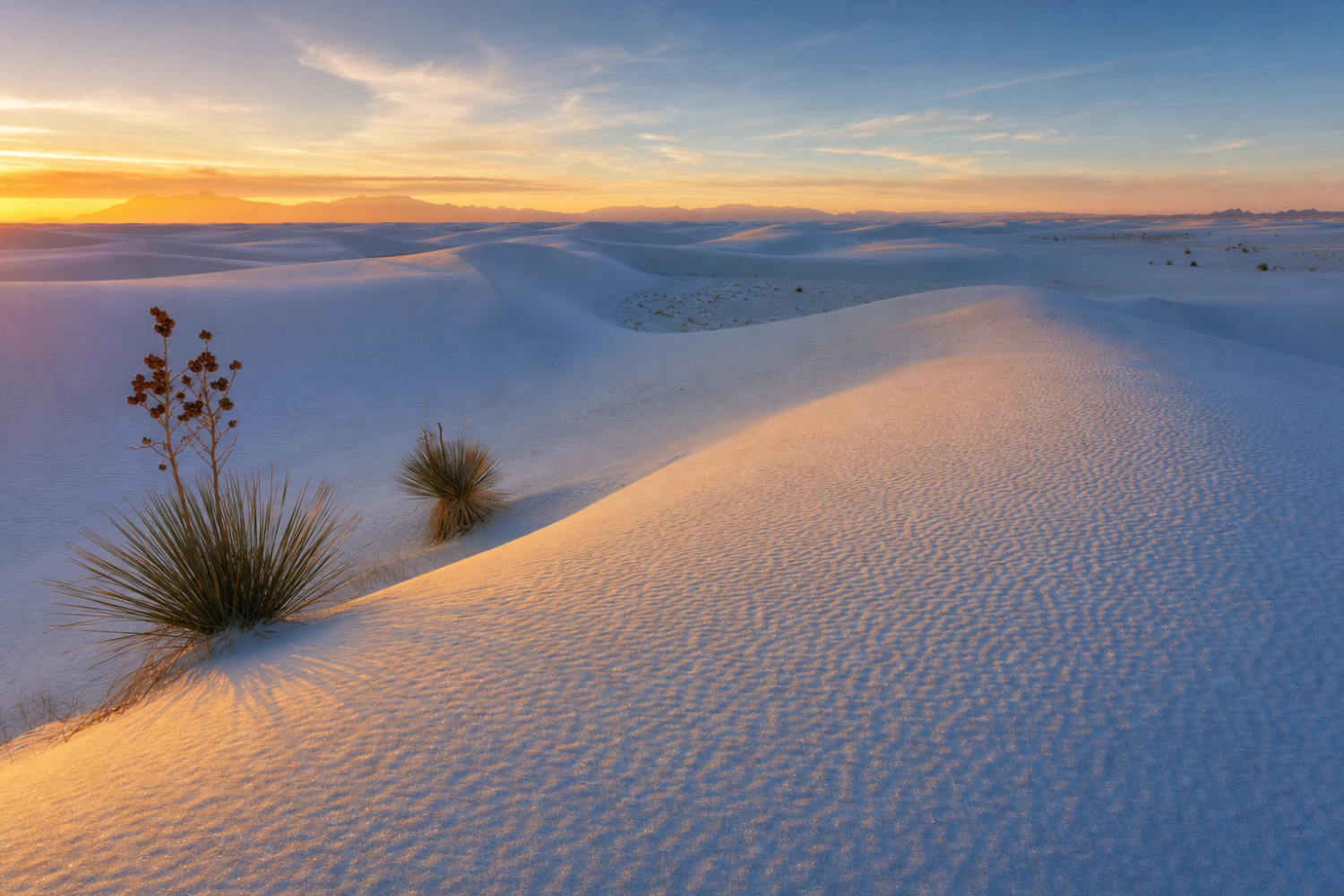
White Sands National Park, in southern New Mexico, has 275 square miles of brilliant white gypsum dunes, and for decades one of the more unusual overnight experiences in the U.S. National Park System was possible there: hiking a mile or so off the main road, pitching a tent in the open dunefield with no trail, no facilities, and no other campers in sight, and waking up on sand that looked like snow. This piece is about what that experience is actually like — and, just as importantly, what its current status is, because that status has changed.
Before you plan around this: backcountry camping at White Sands is currently closed. The National Park Service closed the Backcountry Camping Loop Trail as part of a broader partial closure beyond mile marker 3 that took effect May 1, 2024, and as of this writing the backcountry camping program remains suspended indefinitely while the park assesses site conditions, with no announced reopening date. If overnight camping inside the dunefield is the specific thing you’re planning a trip around, it isn’t available right now — see the alternatives near the end of this guide for what is.
What Overnight Camping in the Dunes Was Actually Like
When the program was running, White Sands maintained 10 primitive backcountry sites spaced along a roughly two-mile loop trail that branched off the park’s main drive, with individual sites between 0.7 and 1.1 miles from the trailhead. There was no reservation system — permits were sold in person at the visitor center on a first-come, first-served basis, on the day of the camping trip only, with cutoff times that shifted seasonally with sunset. Each permit covered up to six people for one night, at a small nonrefundable per-person fee, and campers were required to be out of the dunefield by 1 p.m. the following day.
The sites themselves were marked only by numbered posts set into the sand — no fire rings, no picnic tables, no shade structures, nothing. Open campfires were never allowed in the dunes (small camp stoves were the one exception), and there was no water anywhere in the dunefield, so every drop had to be carried in. The park’s own guidance recommended at least a gallon of water per person per day, which is a meaningful amount of weight to add to a mile-plus hike through soft sand.
The Part People Actually Remember: Nightfall
The recurring detail in nearly every account of camping at White Sands is what the sand does after dark. Gypsum is pale enough that under a bright moon it holds and reflects light in a way that ordinary sand doesn’t — campers who’d done it consistently described being able to see their own shadow cast by moonlight alone, without needing a headlamp to move around camp. On a clear, dark-of-the-moon night, the opposite effect takes over: minimal light pollution and wide-open sky make White Sands a genuinely good stargazing location, with the Milky Way visible overhead for anyone camped away from the highway.
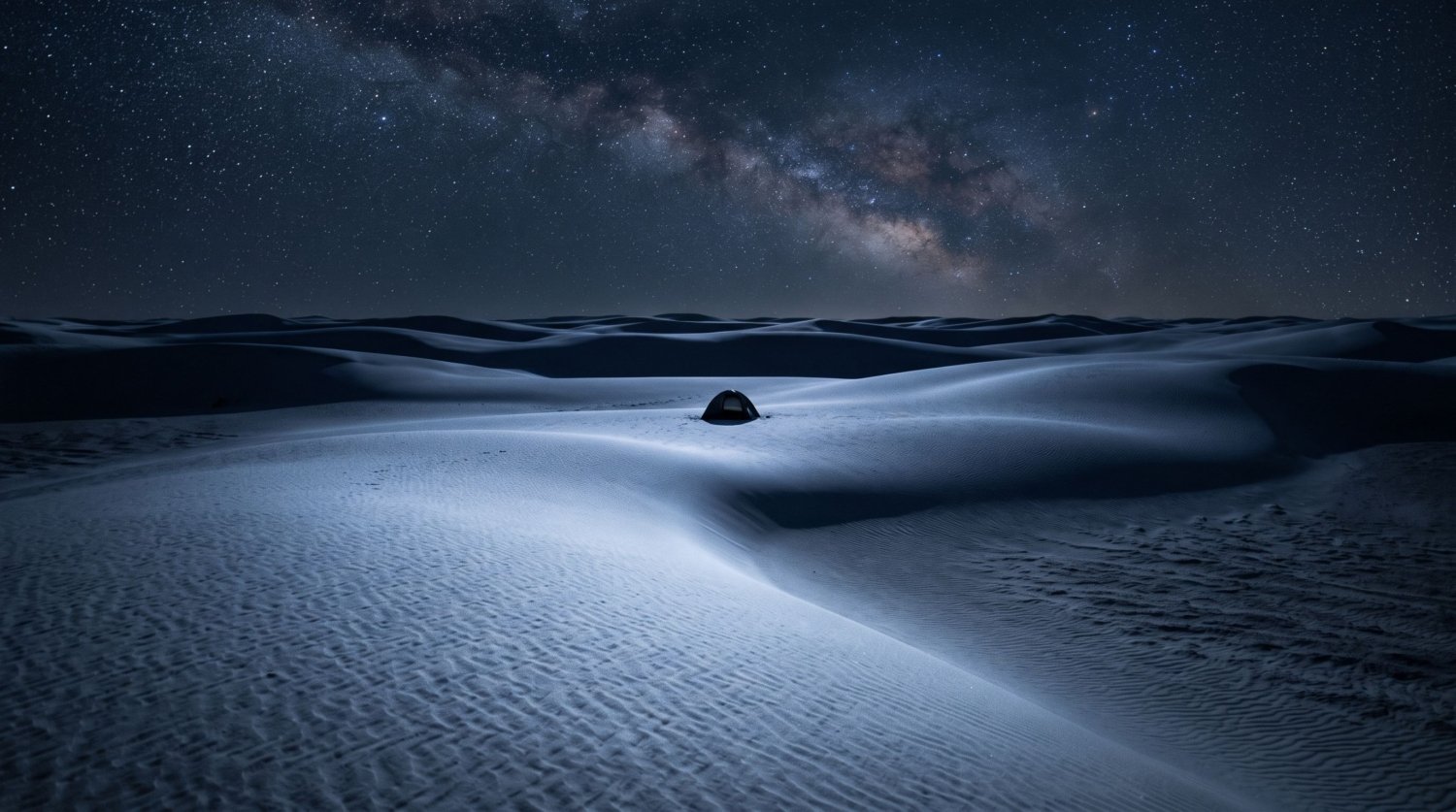
The honest counterpoint to the magic is that the dunes are genuinely disorienting after dark. The landscape has no fixed reference points — dunes look like other dunes, there’s no tree line or ridge silhouette to navigate by, and the park’s own safety guidance is direct about this: it is easy to lose your bearings in the dunefield at night, even a short distance from your own tent. Anyone who camped there successfully treated the marked loop-trail posts and a GPS or compass as non-negotiable, not optional.
Temperature, Wind, and the Other Honest Discomforts
White Sands sits at roughly 4,000 feet in the Tularosa Basin, and the desert temperature swing is real: daily highs and lows can differ by 30 to 60°F. Summer days regularly exceed 100°F, which made summer camping punishing despite the appeal of clear skies, while winter nights routinely drop below freezing, sometimes into the 20s. Spring brought its own problem — strong, sustained winds that made pitching and anchoring a tent in loose sand genuinely difficult without dedicated sand stakes, and could turn a pleasant evening into a gritty, tent-rattling one. Rapid-developing summer thunderstorms were the other seasonal hazard worth planning around, since there’s no shelter of any kind once you’re out in the dunes.
Wildlife encounters were mostly a non-issue in practice — no large predators live in the dunefield — but kit foxes, coyotes, and rattlesnakes are all present, and cell service was unreliable to nonexistent throughout the site, which the park explicitly flagged as a reason to conserve phone battery for genuine emergencies rather than rely on it for navigation or entertainment.
Sunrise: The Payoff
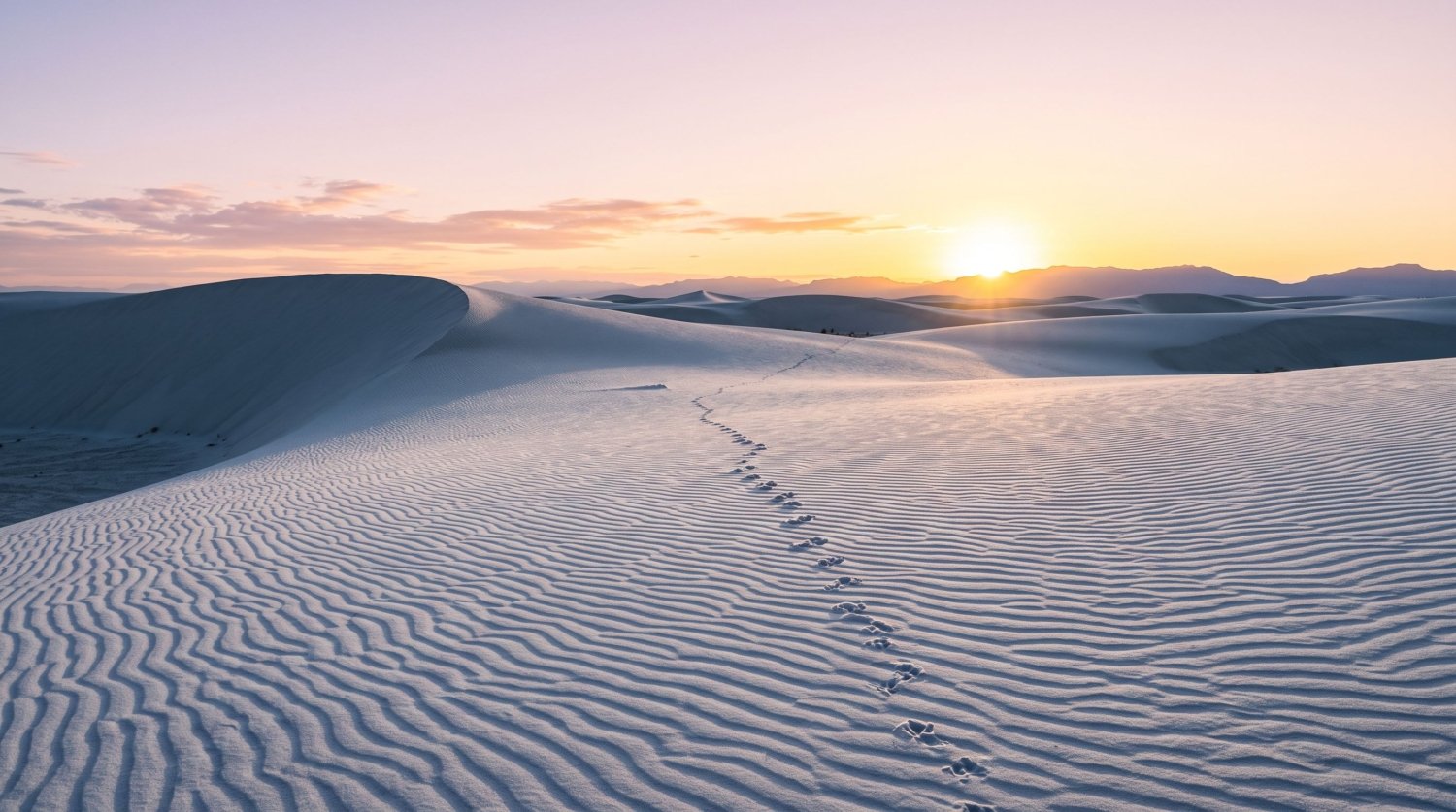
The reward that made the discomforts worth it, by every account, was morning. The same wind that made pitching a tent difficult the night before typically smooths the dune surface into fresh, unbroken ripple patterns by dawn, and the low sunrise light rakes across those ripples at an angle that throws deep shadow into every crease — the dunes look sculpted rather than simply piled. Campers consistently described the early morning as noticeably colder and stiller than the previous evening, with the gypsum sand itself staying cool underfoot even as the sky above it warmed through pink and gold. It’s the kind of light that’s difficult to catch as a day visitor, since it happens before the park’s regular gate hours begin.
Why It’s Closed, and What “Indefinitely” Actually Means Here
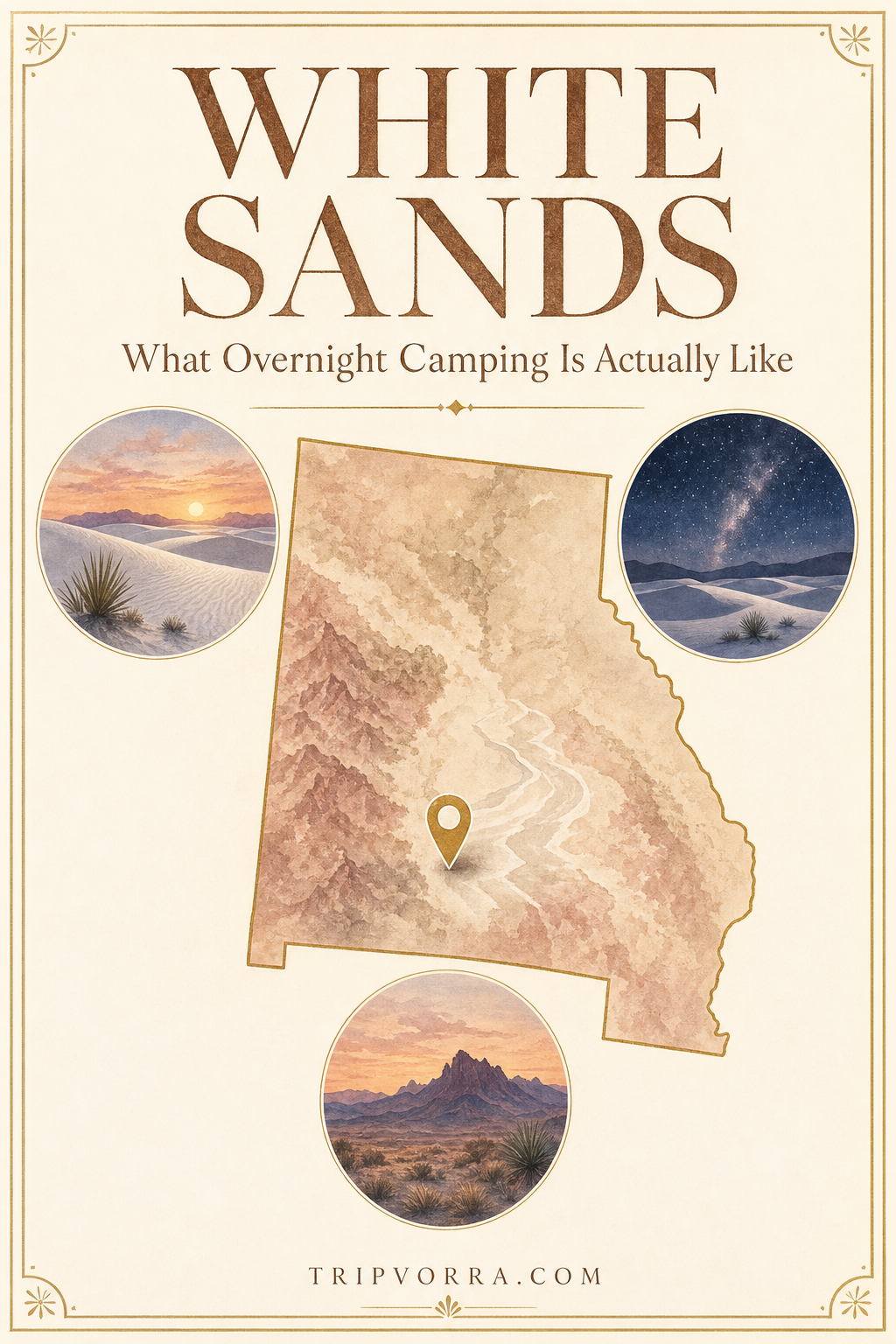
The National Park Service’s stated reason for the closure is safety-driven site assessment: the park needs to evaluate ground and trail conditions in the affected zone before deciding whether backcountry camping can resume, and it hasn’t set a timeline for that decision. The same closure also covers the Backcountry Camping Loop Trail, the Alkali Flat Trail, the Interdune Boardwalk, the Sunset Stroll meeting area, and all picnic facilities beyond mile marker 3, and horseback riding permits aren’t being issued either — so this isn’t a camping-specific decision so much as a broader access restriction to that section of the park. The visitor center, the Dune Life Nature Trail, and the Playa Trail remain open and unaffected.
Practically, this means there’s no reliable way to predict when the backcountry camping program will return, and no reservation or waitlist system to track in the meantime. The most reliable way to check current status before a trip is the park’s own permits and reservations page, or a direct call to the visitor center — not a blog post or forum thread, since this is exactly the kind of status that changes without much notice.
What’s Actually Available Right Now
Two realistic options exist for experiencing White Sands after dark while backcountry camping is suspended.
The first is Full Moon Night, a recurring evening program the park runs May through October on nights around the full moon. The park extends its closing time by a couple of hours on these dates, and rangers run programs at the amphitheater — live music, cultural talks, and occasional special presentations — while visitors walk the dunes in moonlight. It’s a two-to-three-hour evening event rather than an overnight stay, it requires no reservation beyond the standard park entrance fee, and it’s the closest thing currently available to the moonlit-dunefield experience described above, minus the tent.
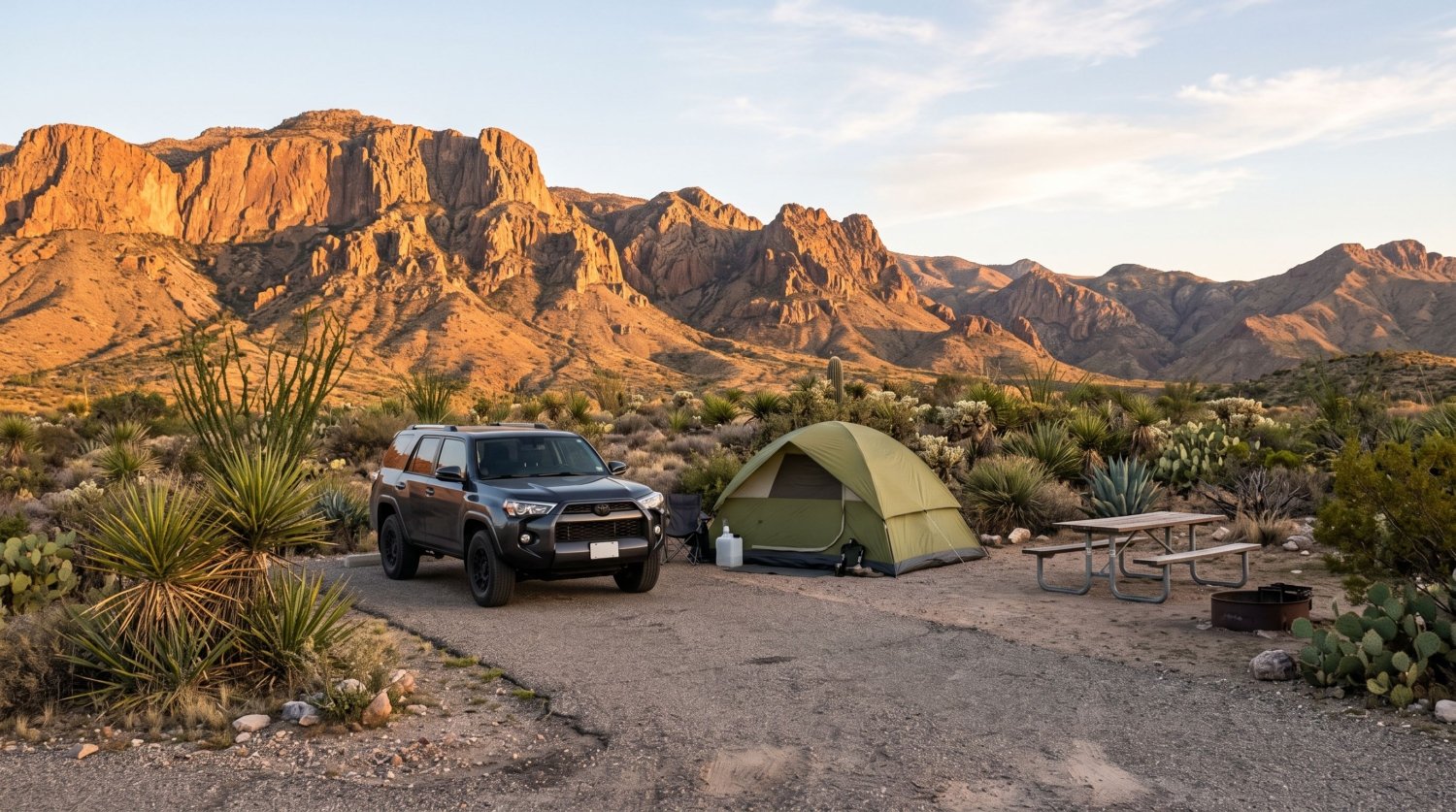
The second is basing an overnight trip out of a nearby campground and driving in for sunrise or sunset instead. Oliver Lee Memorial State Park, about 30 minutes and 27 miles from the White Sands visitor center, is the closest developed campground to the park — a 42-site campground set against the Sacramento Mountains foothills with electric and water hookups, tent pads, and showers, bookable in advance through New Mexico State Parks’ reservation system. It won’t put you in the dunefield itself, but it’s a legitimate way to be on-site for the park’s 7 a.m. opening without needing a permit that currently doesn’t exist.
Frequently Asked Questions
Can you camp overnight at White Sands National Park right now?
No. Backcountry camping has been closed since a partial park closure took effect May 1, 2024, and remains suspended indefinitely with no announced reopening date. Check the park’s official permits page or call the visitor center directly before planning a trip around it.
How did backcountry camping at White Sands used to work?
Permits were sold same-day, first-come first-served, at the visitor center, covering up to six people for one night at one of 10 primitive dune sites reached by a short hike. There was no water, no fire rings, and no advance reservations, and campers had to be out by 1 p.m. the next day.
What’s the closest alternative for experiencing White Sands at night?
Full Moon Night, a ranger-led evening program the park runs on select dates from May through October, with extended hours and programming at the dunefield amphitheater. It requires the standard entrance fee and no separate reservation.
Is there camping near White Sands even if it’s not inside the park?
Yes. Oliver Lee Memorial State Park, about 30 minutes from the park entrance, is the closest developed campground, with hookup and tent sites bookable in advance through New Mexico State Parks.
If you’re planning other trips where the practical logistics matter as much as the scenery, our guide to what to know before road-tripping New Zealand’s South Island solo covers a very different kind of pre-trip homework, and our piece on why the Wave in Arizona limits visitors to just 64 people a day looks at another desert Southwest destination where access rules are the whole story.