New York’s headline attractions get all the attention, and most of them earn it. This list is about five spots that don’t: good places that rarely make a first-timer’s itinerary, spread across four boroughs.
Every stop here is inside New York City’s five boroughs and reachable by subway, bus or a short Metro-North ride. For quieter places farther out, from City Island to the Hudson Valley and western New York, see our New York State guide.
A note on how this guide was built: Tripvorra researched these five spots using each site’s own official pages and recent reporting. Hours and fees are linked to official sources so you can check them before you go.
Affiliate disclosure: Tripvorra is a participant in the Amazon Associates program. Some links on this page may be affiliate links, and we may earn a small commission on qualifying purchases at no extra cost to you.
Each of these had to be less visited than New York City’s marquee sites — measured against visitor volumes for places like Times Square or the Empire State Building, not against zero. Each also had to be easy to reach on public transit and welcoming to a first-time visitor, not a local-only secret. New York City’s tourism office publishes visitor research on its tourism research page.
The 5 at a Glance
Wave Hill, The Bronx — a public garden overlooking the Hudson and the Palisades
The Noguchi Museum, Long Island City — a sculptor's quiet indoor-outdoor museum
Green-Wood Cemetery, Brooklyn — a historic cemetery with skyline views and wildlife
The Cloisters, Fort Tryon Park — the Met's medieval art branch, uptown Manhattan
City Reliquary, Williamsburg — a tiny museum of New York City ephemera
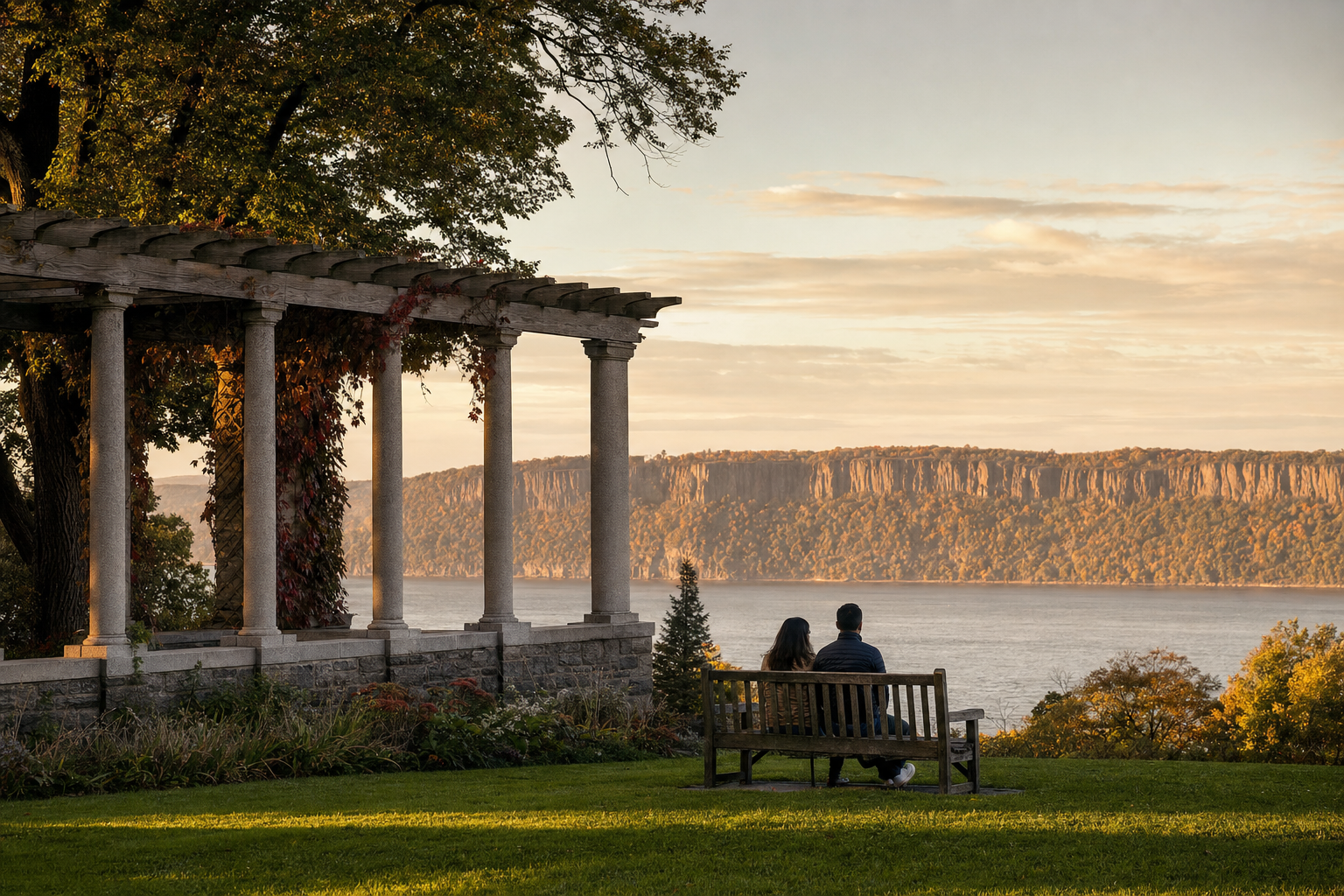
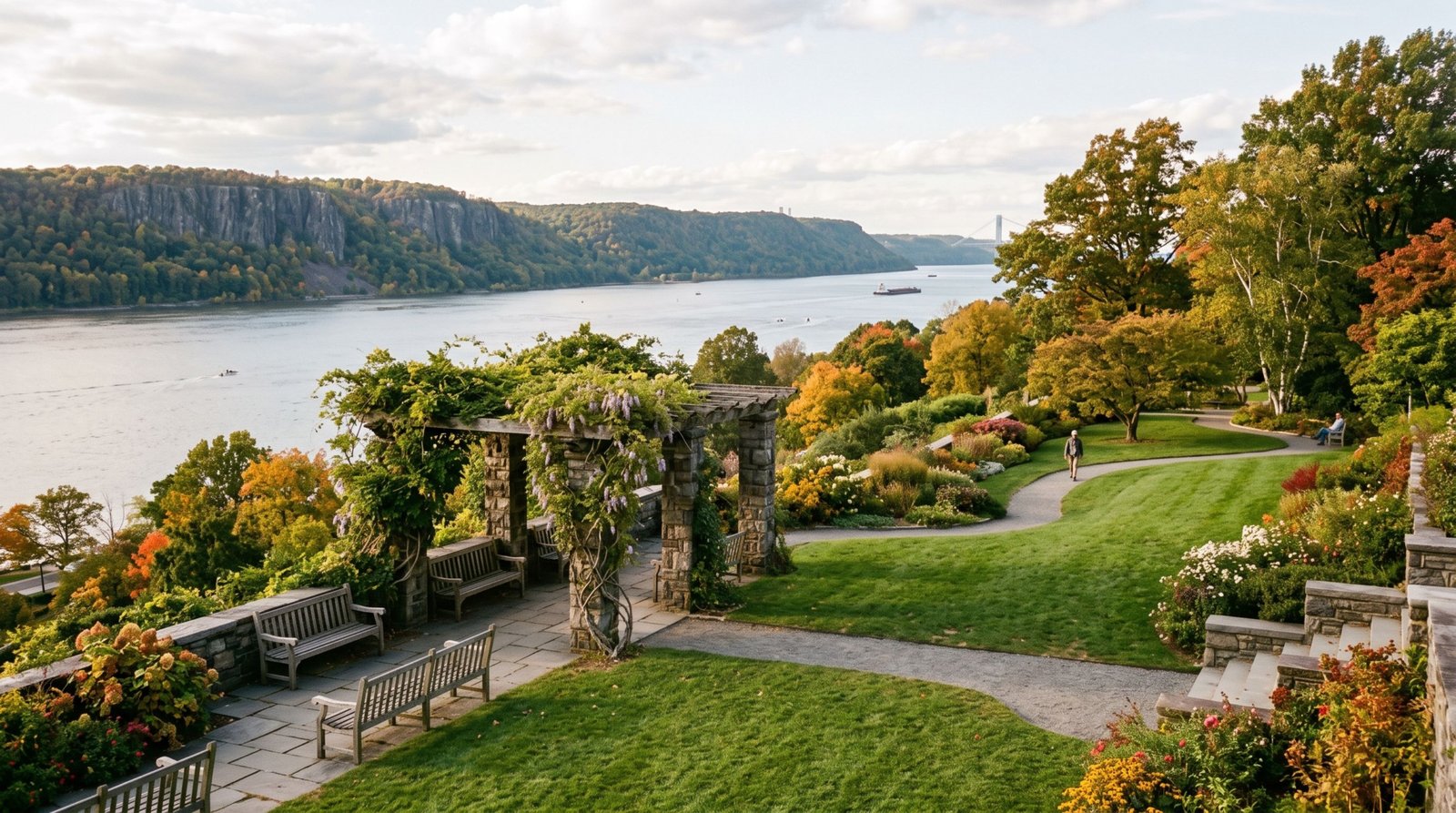
Wave Hill is a 28-acre public garden and cultural center perched above the Hudson River in the Bronx, with unobstructed views across to the New Jersey Palisades. It is far calmer than Central Park on a typical day and has some of the best river views in the city.
The garden rooms change with the seasons, there’s a rotating art program in the two on-site galleries, and the Café serves food with a view. It’s a slow, quiet kind of visit — more suited to an afternoon of wandering than a checklist stop.
Good to Know
Entry fee: $10 for adults, free on Thursdays (check the official site before you go)
Hours: Tuesday through Sunday, 10 am to 5:30 pm, closed Mondays; last entry is 30 minutes before closing, so check the official page for seasonal changes
How to get there: Metro-North to Riverdale, then a short shuttle or walk uphill
Best time to visit: late spring through fall, when the garden rooms are in full bloom
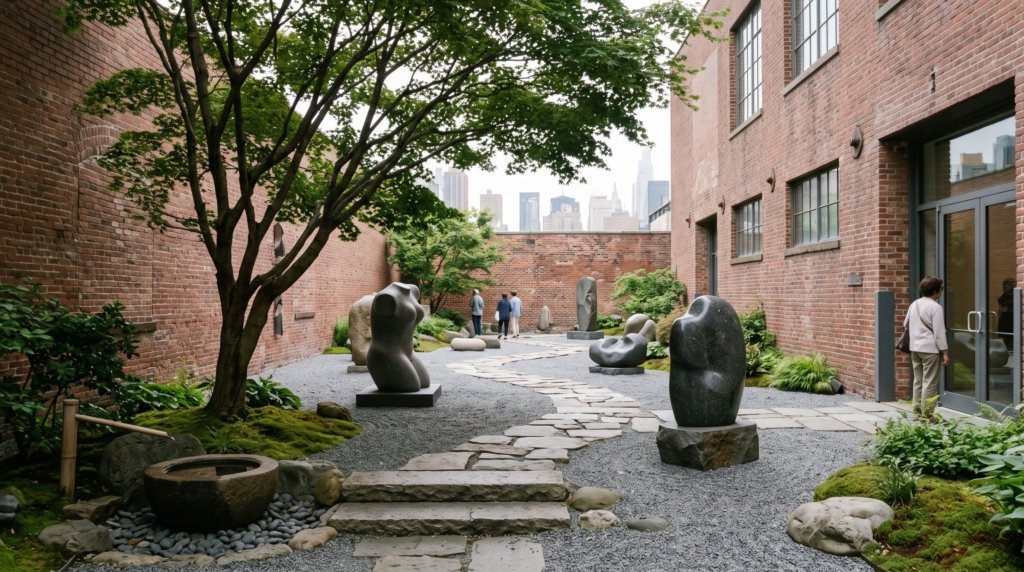
Isamu Noguchi converted a former photo-engraving factory in Long Island City into a museum for his own sculpture, and it is much smaller and quieter than Manhattan’s major art museums. The indoor galleries open onto a quiet outdoor sculpture garden, and the whole space is deliberately calm.
It’s a short walk from the Noguchi Museum to Socrates Sculpture Park on the East River, so the two pair well if you want to turn this into a half-day art walk through Long Island City rather than a single stop.
Good to Know
Entry fee: $16 for adults, $6 for seniors and students, free on the first Friday of each month
Hours: Wednesday through Sunday, 11 am to 6 pm, closed Mondays and Tuesdays; visits are booked as timed tickets on the museum site
How to get there: N/W train to Broadway, then walk west toward the East River, or the 7 train to Vernon Blvd-Jackson Ave
Best time to visit: any season indoors; spring and fall are best for the outdoor garden
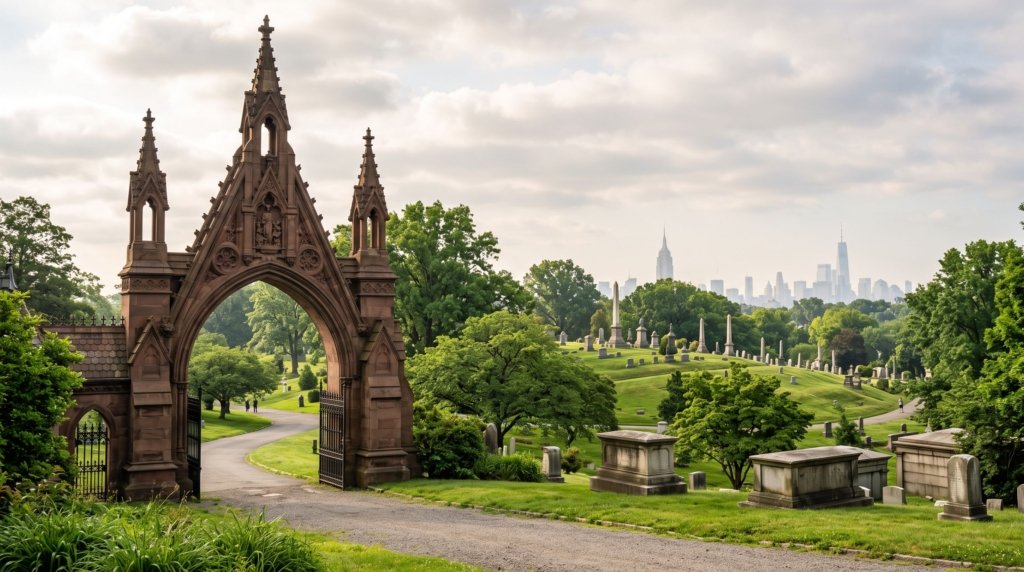
Green-Wood is a 478-acre historic cemetery in Brooklyn that doubles as one of the city’s best green spaces — rolling hills, mature trees, and some of the highest natural points in Brooklyn, with views toward the Manhattan skyline. It’s also become known among birders for its resident monk parakeet colony.
It’s a working cemetery and a National Historic Landmark, so the tone is closer to a quiet park walk than a tourist attraction. Free walking maps are available at the entrance, and the Green-Wood Historic Fund also runs paid guided tours if you want more context.
Good to Know
Entry fee: free to walk the grounds; guided tours are ticketed separately
Hours: open daily, currently 7 am to 7 pm at the main entrance; gate times can change by season
How to get there: R train to 25th Street, then one block east (uphill) to the main entrance at Fifth Avenue
Best time to visit: weekday mornings for the quietest walk, or spring for blossoms
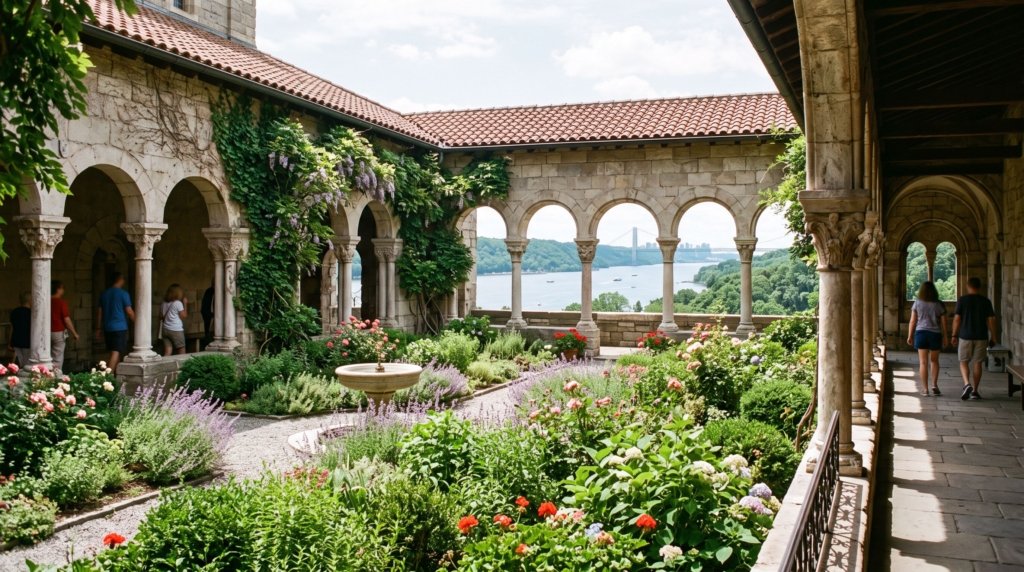
The Cloisters is the Met’s branch dedicated to medieval European art and architecture, built from parts of actual medieval cloisters and set inside Fort Tryon Park in northern Manhattan. It sits far from the usual Midtown route, which keeps it noticeably quieter than the main Met building on Fifth Avenue.
Beyond the collection itself — including the famous Unicorn Tapestries — the surrounding park has some of the best Hudson River views in Manhattan, with far fewer people than the High Line or Central Park.
Good to Know
Entry fee: $30 for adults; a Met ticket covers both Met locations on the date printed on it (pay what you wish for New York State residents)
Hours: 10 am to 5 pm, closed Wednesdays
How to get there: A train to 190th Street, then a short walk through Fort Tryon Park
Best time to visit: weekday mornings, and fall for the park's foliage
Cloisters museum pass
A Met general admission ticket includes same-day entry to both The Met Fifth Avenue and The Met Cloisters, for the date printed on the ticket.
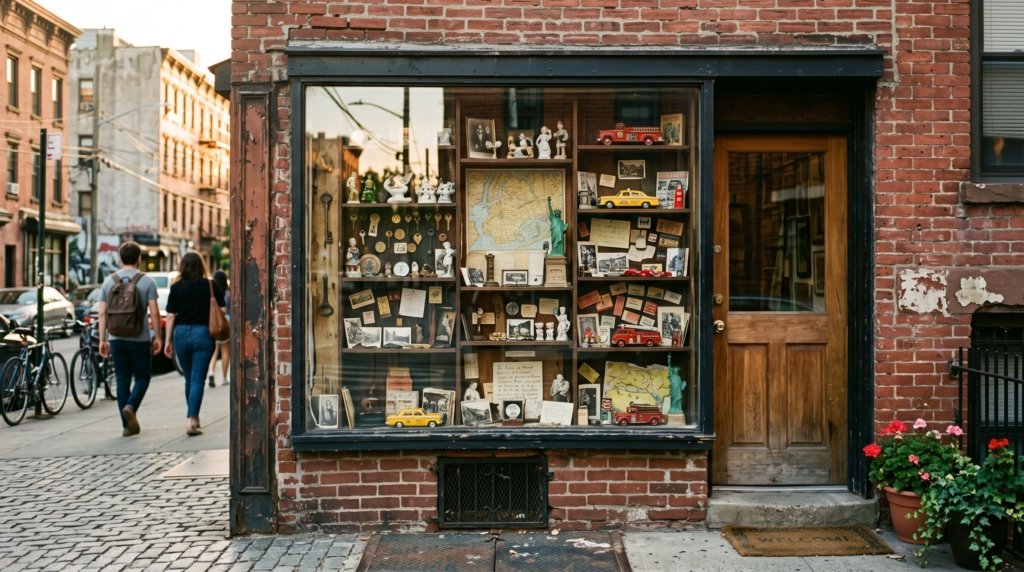
City Reliquary is a tiny nonprofit museum in Williamsburg built around New York City ephemera — vintage subway tokens, souvenirs from the 1939 and 1964 World’s Fairs, Statue of Liberty figurines, and other artifacts most museums would not think to collect. It started in 2002 as a display in the window of its founder’s Williamsburg apartment.
It’s small enough to see in 20 to 30 minutes, which makes it an easy add-on to a Williamsburg afternoon rather than a destination on its own. It’s also one of the more distinctly local, non-touristy things to do in the neighborhood.
Good to Know
Entry fee: $10 general admission, $8 for NYC residents with ID, $5 for students, educators and seniors, free for kids 12 and under
Hours: Thursday through Sunday, afternoons only — check before visiting
How to get there: L train to Metropolitan Ave/Lorimer St, or G train to Metropolitan Ave
Best time to visit: any time it's open; it's small enough that crowds are rarely an issue
Wave Hill and Green-Wood are both reachable by public transit but sit at opposite edges of the city, so pairing them in one day means a lot of transit time. A more realistic pairing is Noguchi Museum with Socrates Sculpture Park (both Long Island City), or The Cloisters as its own half-day given how far uptown it sits. City Reliquary fits easily into a wider Williamsburg afternoon.
Use the same card or phone with OMNY all week: subway and bus fares cap at $35 in any rolling seven days
Weekday visits are quieter across all five, especially Green-Wood and The Cloisters
Check each site's official page before visiting — small museums and gardens change hours seasonally more often than major attractions do
Wave Hill and The Met Cloisters do not require advance tickets; the Noguchi Museum lists timed reservations, so book ahead; Green-Wood is free to walk in; check City Reliquary's page before you go
Traveling Responsibly at These Spots
Green-Wood is an active cemetery, not a park built for visitors — keep voices down and stay off private family plots
Stay on marked paths in Wave Hill's garden rooms; the plantings are actively maintained, not just decorative
Support the on-site cafes and small gift shops where they exist — these institutions often run on tight budgets
City Reliquary is a small nonprofit; a membership or gift-shop purchase goes further than it would at a major museum
Frequently Asked Questions
Are these places actually secret, or just less famous?
Less famous. All five receive regular visitors and none are unknown to New Yorkers. What they share is a low profile relative to the city’s headline attractions, not true obscurity.
Can I visit more than one in a day?
Some pairings work better than others. Noguchi Museum and Socrates Sculpture Park are a short walk apart in Long Island City. Wave Hill and Green-Wood are both doable but sit far apart, so treat them as separate outings unless you’re comfortable with extra transit time.
Are any of these free?
Green-Wood Cemetery is free to walk (guided tours cost extra), and Wave Hill offers free entry on Thursdays. The Noguchi Museum is free on the first Friday of each month, and The Cloisters is included with a same-day Met ticket, which is pay-what-you-wish for New York State residents.
Is City Reliquary really worth a special trip?
On its own, probably not — it’s very small. As an add-on to a Williamsburg afternoon that includes food, shopping, or the waterfront, it’s a fun 20-minute detour.
Will these stay underrated?
Not necessarily. Attention on any of these could grow, and Green-Wood and The Cloisters already draw photographers and history-focused visitors.
Final Thoughts
The five cover a riverside garden, a sculptor’s museum, a historic cemetery with its own birdlife, the Met’s medieval branch, and a museum the size of a storefront. If you’re planning a wider New York trip, our guide to 3 underrated places in New York State covers City Island, Cold Spring and Letchworth State Park, and our list of 10 underrated travel destinations around the world covers similar ground globally.
All five are easy to reach by public transit, so a first-time NYC visitor can add one or two to a normal itinerary.