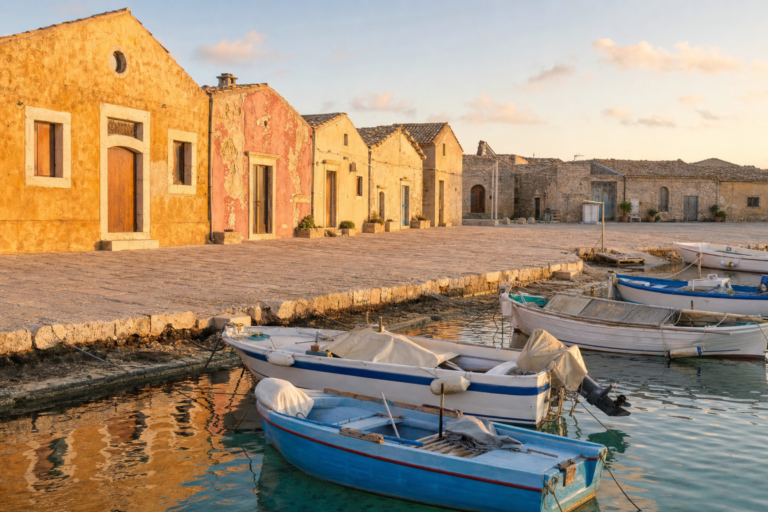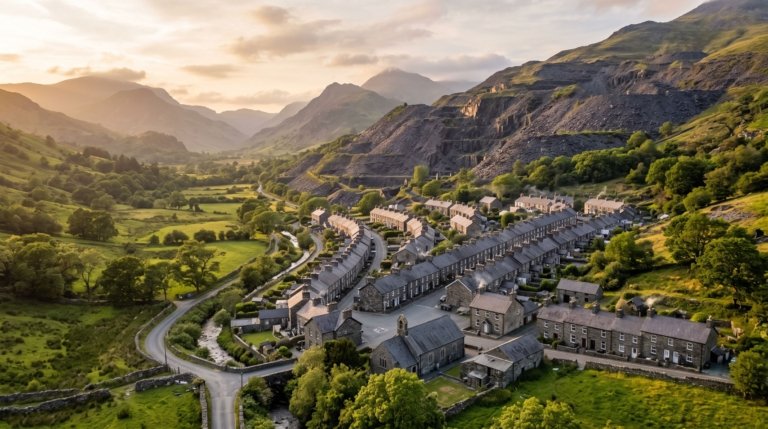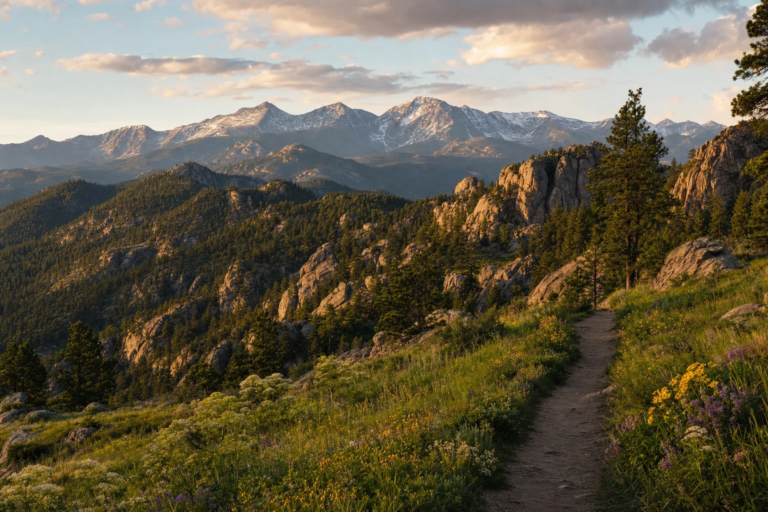

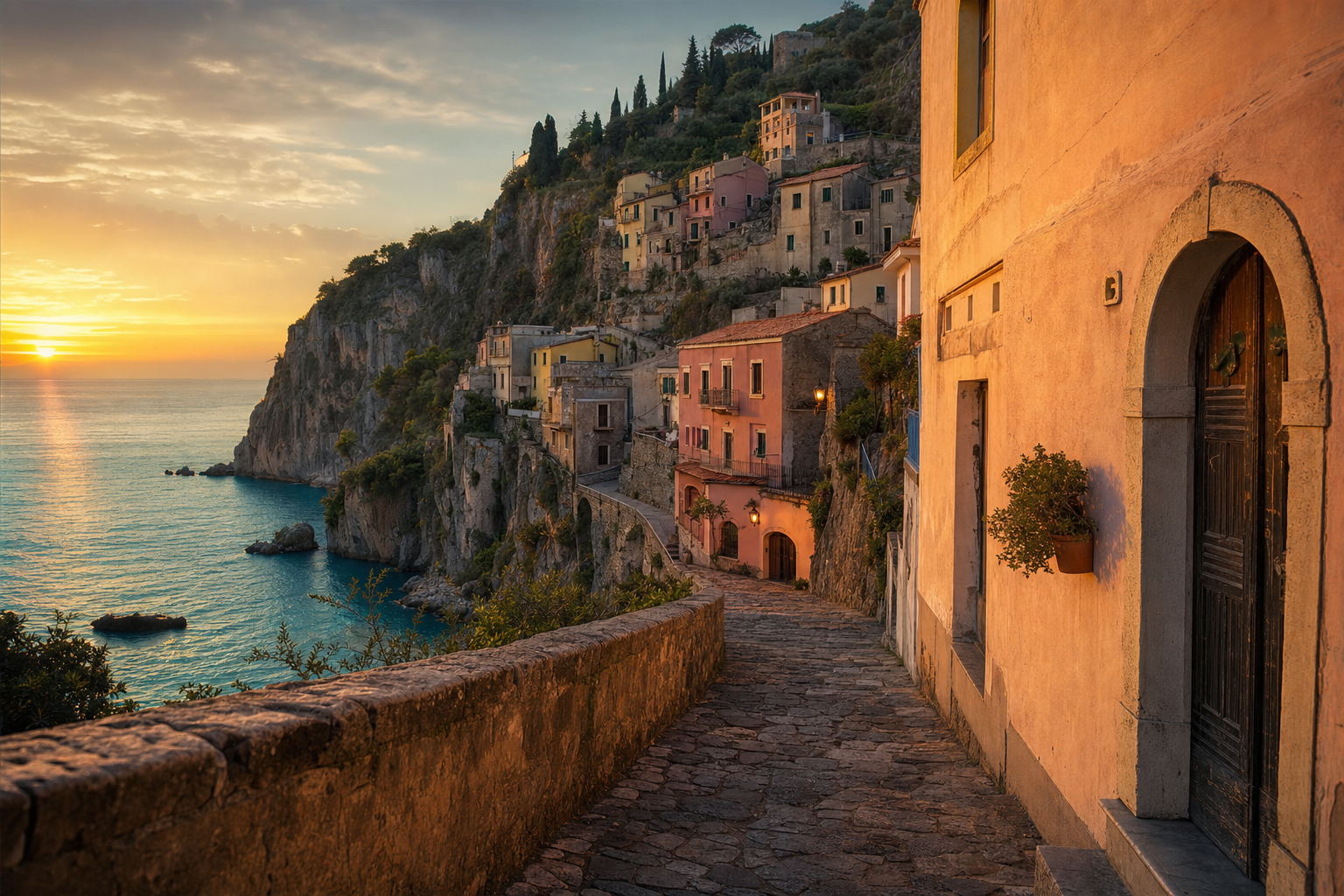
Every summer, the same dozen European cities absorb the same crushing waves of visitors — while some of the continent’s most beautiful corners sit nearly empty just a few hours away. Cliffside villages with no tour buses. Lakeside old towns where you can still get a table without a reservation. Islands where the loudest sound is the ferry horn. These are the places locals quietly hope stay off the radar a little longer.
We built this list by looking past the postcard destinations that dominate every “best of Europe” roundup and focusing on spots that are still genuinely under-visited: easy enough to reach, but rarely full. A quick note before you pack your bags — Europe’s ETIAS entry authorization system has faced repeated delays and still isn’t mandatory as of 2026, so it’s worth checking the official EU travel site for the current requirement before your trip rather than relying on outdated headlines.
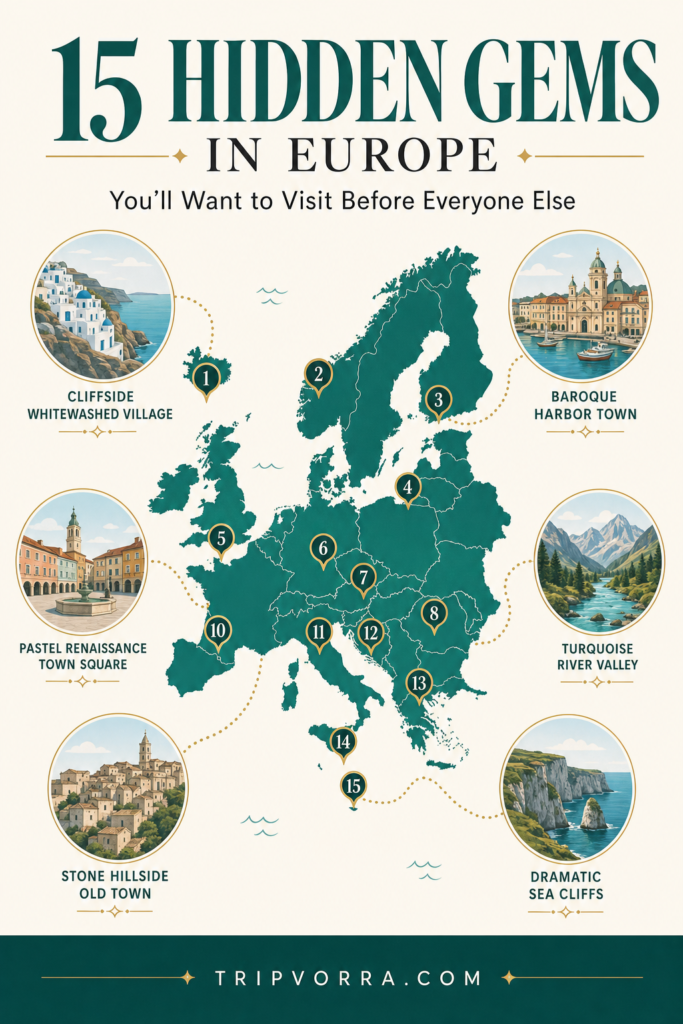
Here are 15 hidden gems in Europe worth visiting before the secret gets out, organized so you can jump straight to the region that fits your trip.
The 15 Hidden Gems at a Glance
- Setenil de las Bodegas, Spain — houses built into a rock canyon
- Gimmelwald, Switzerland — a car-free village above the Lauterbrunnen Valley
- Óbidos, Portugal — a walled medieval town near Lisbon
- Sibiu, Romania — Transylvania’s most underrated Saxon city
- Ohrid, North Macedonia — a UNESCO lake town few tourists know exists
- Gjirokastër, Albania — a stone city carved into a hillside
- Telč, Czech Republic — pastel arcades without the Prague crowds
- Vis Island, Croatia — the Adriatic’s most remote inhabited island
- Symi, Greece — a neoclassical harbor island near Rhodes
- Soča Valley, Slovenia — the turquoise alternative to Lake Bled
- Tartu, Estonia — the Baltics’ quiet university city
- Ghent, Belgium — canal views without the Bruges day-trippers
- Faroe Islands, Denmark — dramatic cliffs between Iceland and Norway
- Ostuni & the Itria Valley, Italy — Puglia’s whitewashed hill towns
- Perast, Montenegro — a Baroque village on the Bay of Kotor
Save this list to your Europe travel board on Pinterest so you can find it again when you’re ready to plan — then keep reading for exactly why each place made the cut, how to reach it, and the local tip that makes the visit worth it.
1. Setenil de las Bodegas, Spain
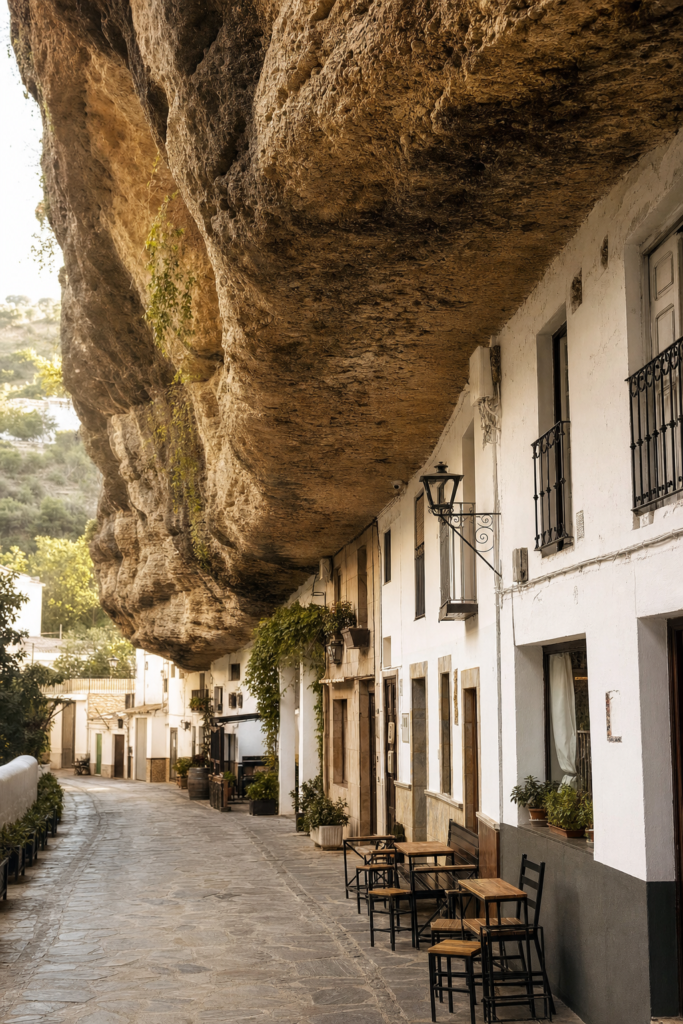
Tucked into the hills of Cádiz province in Andalusia, Setenil de las Bodegas is built directly under an overhanging rock canyon carved by the Río Trejo. Entire streets — Calle Cuevas del Sol and Calle Cuevas de la Sombra among them — run beneath a stone ceiling, with whitewashed houses and tapas bars wedged into the cliff face itself. Most visitors touring Andalusia stop in Ronda, twenty minutes away, and never realize this village exists.
Wander the cave-covered lanes in the morning before the day-trip buses from Ronda arrive around midday, then climb to the ruined Moorish castle for a view over the rooftops and the surrounding olive groves.
- Best for: unique architecture, day trips from Málaga or Seville
- How to get there: fly into Málaga Airport, then rent a car or take a bus to Ronda and a short taxi onward
- Best time to visit: April–June or September–October, before the summer heat peaks
- Insider tip: arrive before 10am on a weekday — the rock-shaded streets fill with tour groups from Ronda by early afternoon
2. Gimmelwald, Switzerland
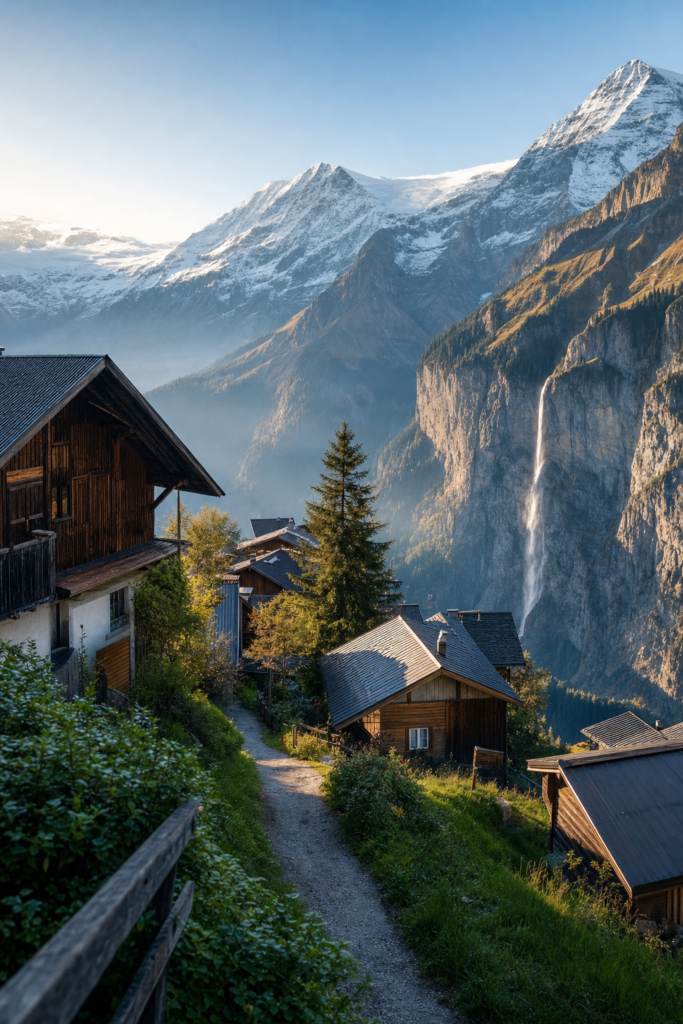
While Interlaken and Grindelwald fill with day-trippers heading to Jungfraujoch, the tiny car-free village of Gimmelwald sits almost forgotten on a ledge above the Lauterbrunnen Valley. It’s reachable only by cable car or a steep hiking trail, and its population hovers around 100 — mostly dairy farmers whose cows still graze the same slopes their grandparents worked.
There’s no traffic noise, no souvenir shops, just wooden chalets, waterfalls dropping off the valley walls across the way, and a view of the Eiger, Mönch, and Jungfrau that rivals anywhere in the Bernese Oberland — without the crowds or the price tag of staying in Wengen.
- Best for: hiking, mountain views, budget-friendly alpine stays
- How to get there: train to Lauterbrunnen, then the Stechelberg cable car up to Gimmelwald
- Best time to visit: June–September for hiking trails, or February–March for quiet snow scenery
- Insider tip: book a bed at the Mountain Hostel — it’s run by the local ski school and doubles as the village’s only real gathering spot
3. Óbidos, Portugal
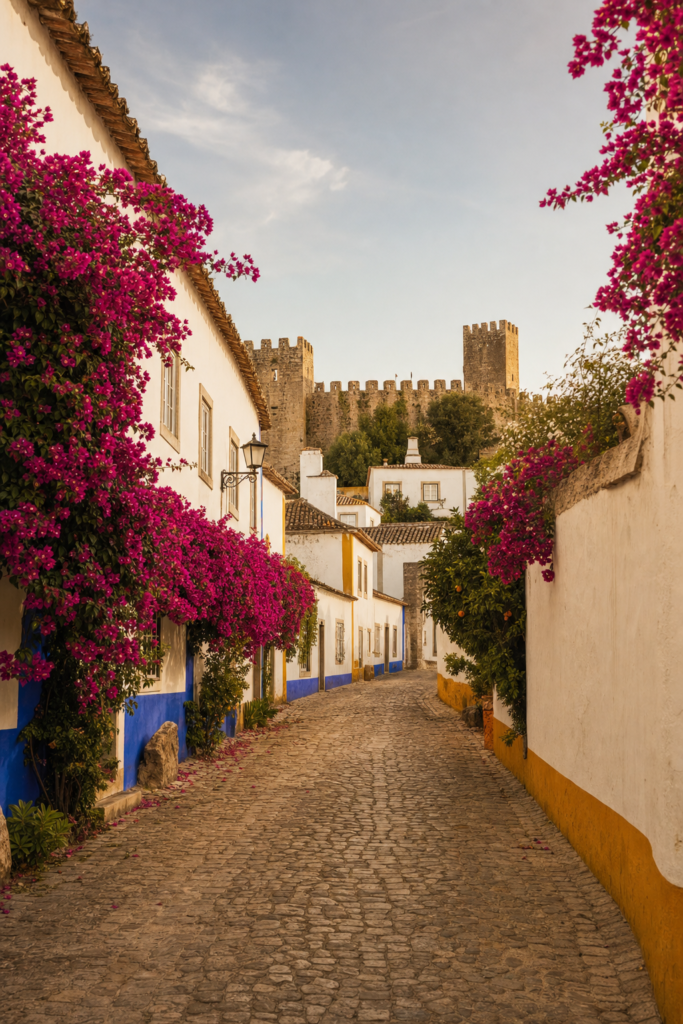
An hour north of Lisbon, Óbidos is a fully walled medieval town that most itineraries skip entirely in favor of Sintra. That’s a mistake — you can walk the complete circuit of 14th-century ramparts in under an hour, looking down over a maze of cobblestone streets, bougainvillea-draped whitewashed houses, and a hilltop castle now converted into a small pousada hotel.
Óbidos is also known for ginjinha, a sour cherry liqueur traditionally served in a small edible chocolate cup from tiny hole-in-the-wall counters along the main street — a much better souvenir than another Sintra magnet.
- Best for: a half-day trip from Lisbon, photography, small-town charm
- How to get there: direct bus from Lisbon’s Campo Grande terminal (about 1 hour) or a short drive
- Best time to visit: October for the town’s Christmas market prelude, or spring for mild weather
- Insider tip: stay overnight — once the day-bus crowds leave by early evening, the walled town empties out almost completely
4. Sibiu, Romania
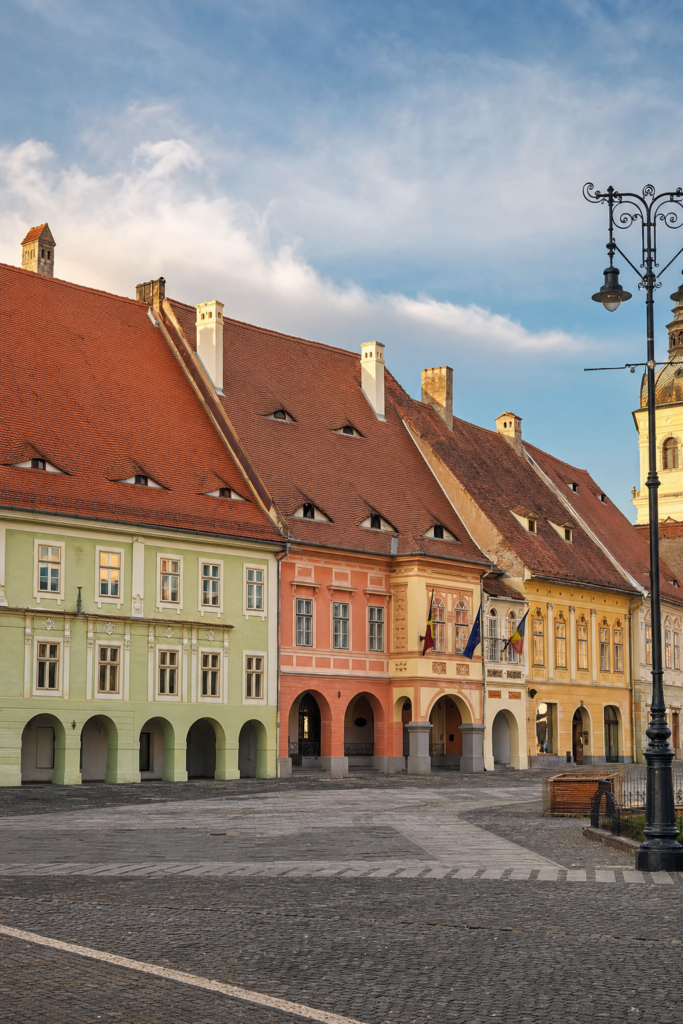
Transylvania’s tourist trail usually stops at Braşov and Sighişoara, leaving Sibiu — arguably the region’s most beautiful Saxon city — comparatively empty. Its Piaţa Mare and Piaţa Mică squares are lined with pastel townhouses whose steep roofs have narrow, slanted dormer windows locals call “the eyes of Sibiu,” said to watch over the city.
Sibiu was a European Capital of Culture and it shows: a genuinely excellent open-air ethnographic museum, a walkable historic core, and one of Romania’s best food scenes, all without the queues you’ll find at Bran Castle an hour away.
- Best for: architecture lovers, food, a quieter Transylvania base
- How to get there: direct flights to Sibiu International Airport from several European hubs, or a scenic train from Bucharest
- Best time to visit: June for the Sibiu International Theatre Festival, or September–October for fall colors
- Insider tip: cross the wrought-iron Liars’ Bridge at dusk, then head up to the Council Tower for a sunset view over the rooftops
5. Ohrid, North Macedonia
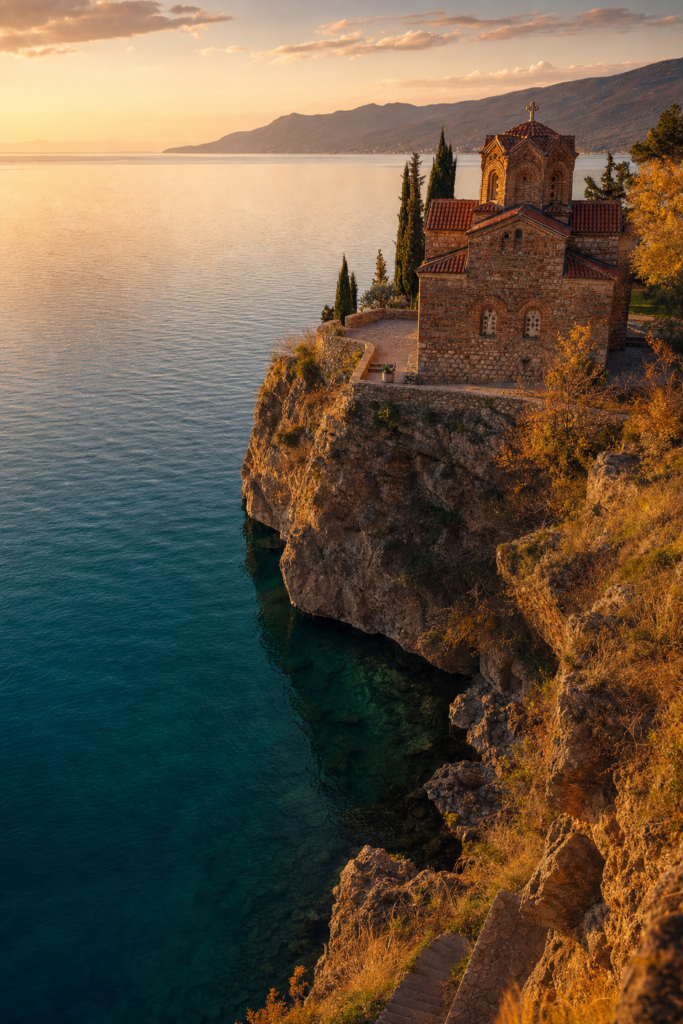
Lake Ohrid is one of the oldest and deepest lakes in Europe, and the UNESCO-listed old town on its shore is a genuine surprise for travelers who assumed the Balkans’ best lakeside towns were all in Croatia or Slovenia. Byzantine churches — including the cliffside Church of St. John at Kaneo, perched directly above the water — sit alongside Ottoman-era streets and a hilltop fortress with sweeping lake views.
Because North Macedonia sits outside the usual Balkan cruise-and-coach circuit, Ohrid’s beaches and old town stay pleasantly uncrowded even in peak summer.
- Best for: lake swimming, Byzantine history, budget travel
- How to get there: fly into Ohrid St. Paul the Apostle Airport (seasonal European routes) or bus from Skopje (about 3 hours)
- Best time to visit: late June to early September for lake swimming
- Insider tip: take a small boat from the old town harbor to Kaneo instead of walking the busy road — it’s cheap and the view back at the cliffs is worth it alone
6. Gjirokastër, Albania
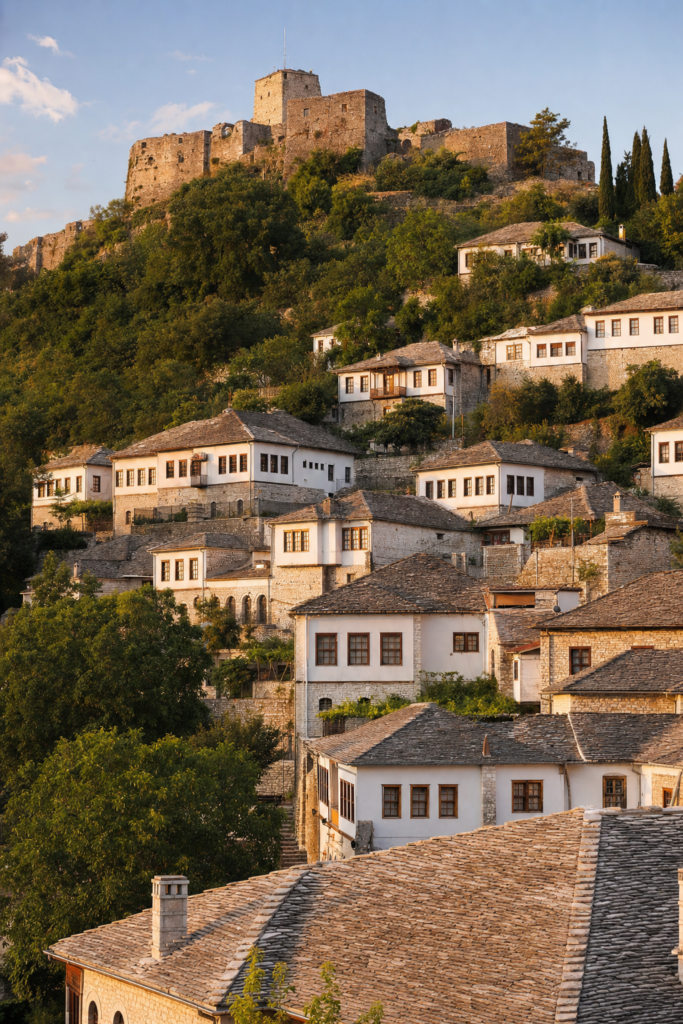
Albania is still one of Europe’s least-visited countries relative to how much it offers, and Gjirokastër is the clearest proof. This UNESCO World Heritage “city of stone” climbs a steep hillside in a cascade of slate-roofed Ottoman houses, topped by a hilltop castle that houses a Cold War-era weapons museum, including a preserved US Air Force jet captured during the communist regime.
The cobbled old bazaar still functions as a working market rather than a tourist set piece, and a meal here costs a fraction of what you’d pay in neighboring Greece or Croatia.
- Best for: history buffs, budget travel, Ottoman architecture
- How to get there: fly into Tirana, then a bus or shared taxi south (about 3.5 hours)
- Best time to visit: May or September, avoiding the inland summer heat
- Insider tip: hire a local guide for the castle’s weapons museum — the exhibits have minimal English signage and the backstory is genuinely fascinating
7. Telč, Czech Republic
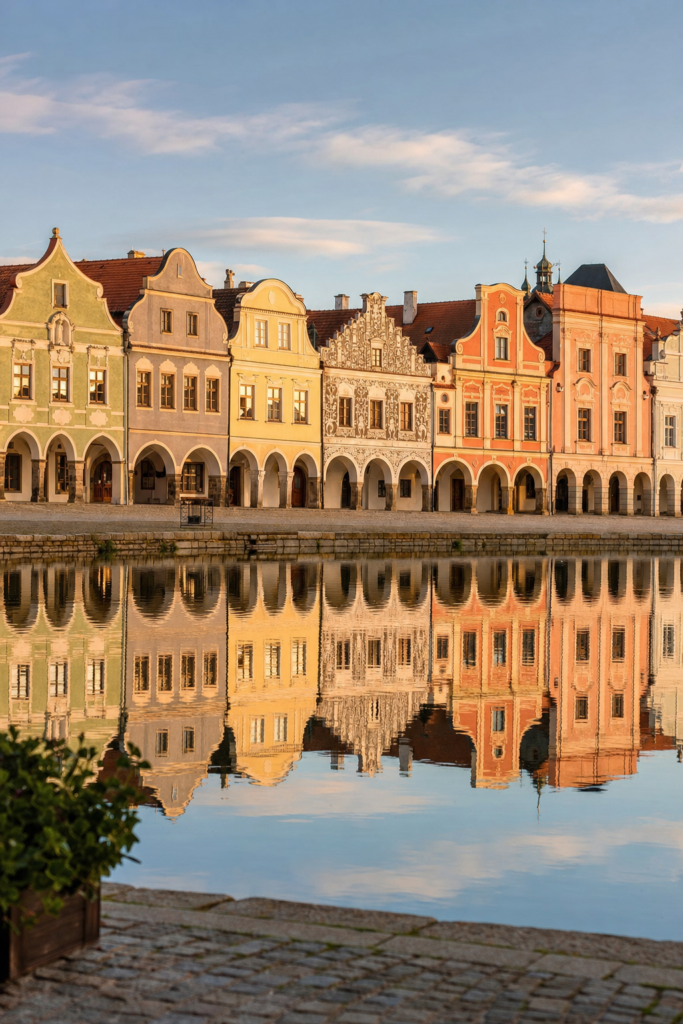
Everyone doing a Czech road trip stops in Český Krumlov. Far fewer make it to Telč, a UNESCO-listed town in the Vysočina region whose main square is lined with Renaissance and Baroque townhouses in pistachio, salmon, and butter-yellow, each with matching arcaded walkways below.
The square sits on a narrow spit of land between two artificial lakes, with a moated chateau at one end that once belonged to the Lords of Hradec. You can walk the entire old town in under 90 minutes, which makes it an easy add-on to a Prague-to-Vienna route that most travelers never think to include.
- Best for: photography, architecture, a quiet stopover between Prague and Vienna
- How to get there: train or bus from Prague (about 2.5 hours) or from Vienna (about 2 hours)
- Best time to visit: late spring through early autumn, when the chateau gardens are open
- Insider tip: the square looks best in early morning light, when it’s reflected in the still lake water and the arcades are empty
8. Vis Island, Croatia
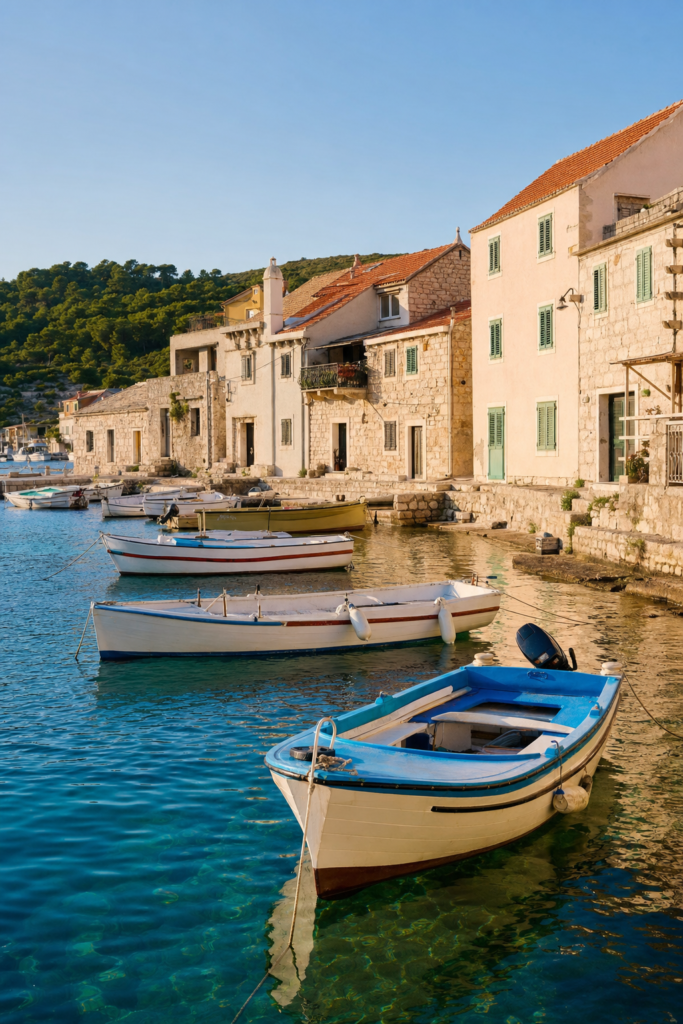
Hvar and Split get the yacht crowds; Vis, the farthest inhabited island off the Dalmatian coast, stayed a closed Yugoslav military base until 1989 and has only recently opened up to tourism — which is exactly why it still feels undiscovered. Its two towns, Vis Town and Komiža, are working fishing harbors rather than resort strips, and the island’s most famous cove, the Blue Cave on neighboring Biševo, glows an otherworldly blue when sunlight hits the water at the right angle.
Vis got a burst of fame as a filming location for Mamma Mia! Here We Go Again, but tourism numbers still lag far behind Hvar’s.
- Best for: island-hopping, snorkeling, avoiding the party-island crowds
- How to get there: ferry from Split (about 2.5 hours) — book ahead in July and August
- Best time to visit: June or September for warm water without peak-August crowds
- Insider tip: book the Blue Cave boat tour for the first morning slot — the light effect fades as the sun rises higher
9. Symi, Greece
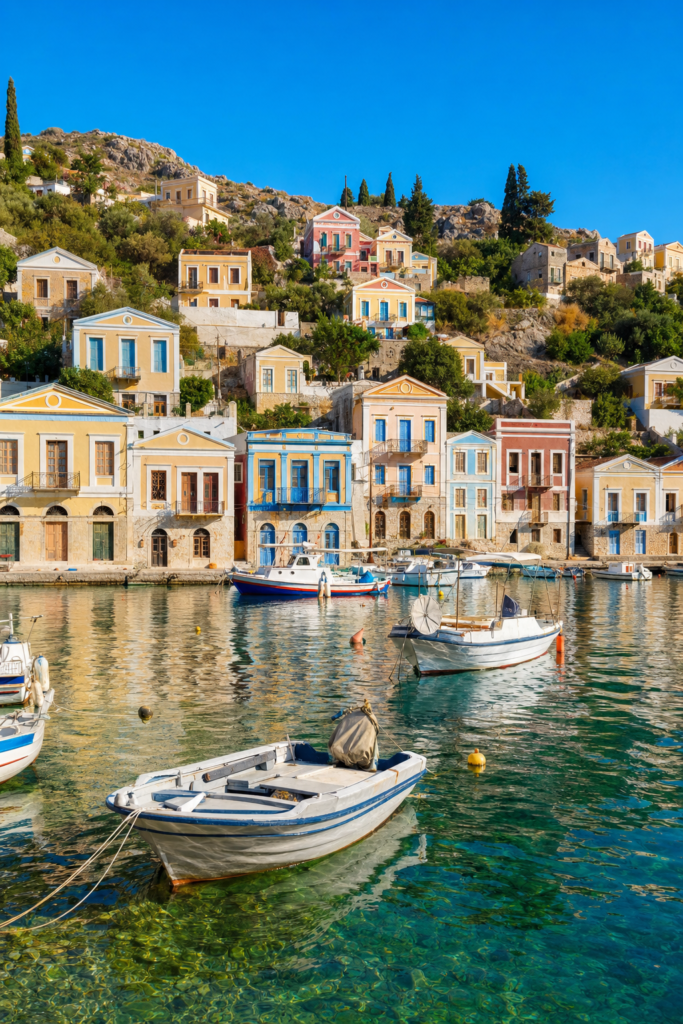
Most Rhodes visitors never realize a short ferry ride away sits one of the prettiest harbors in the Dodecanese. Symi’s port is ringed with neoclassical mansions in ochre, rose, and pale blue, built during a 19th-century sponge-diving boom that made the island briefly wealthy. Unlike Santorini or Mykonos, there’s no airport and no cruise-ship-scale infrastructure — just a working harbor, a handful of family tavernas, and a monastery, Panormitis, worth the boat trip to the island’s south end.
Because most visitors come only as a day-trip from Rhodes, staying even one night gives you the harbor almost entirely to yourself by evening.
- Best for: a quiet Greek island escape, photography, seafood
- How to get there: fly into Rhodes, then a passenger ferry to Symi (about 50 minutes)
- Best time to visit: May–June or September, when day-trip boats thin out
- Insider tip: stay overnight in the harbor town of Gialos rather than day-tripping — the last tour boats leave by 4pm
10. Soča Valley, Slovenia
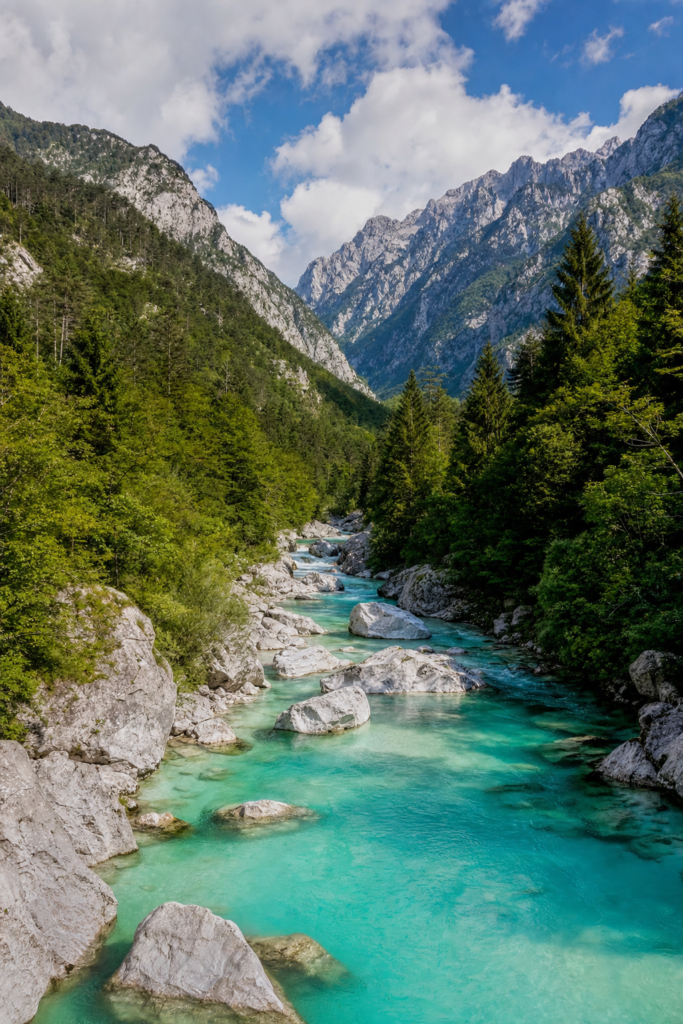
Lake Bled’s iconic island church draws crowds year-round, but Slovenia’s real showstopper may be an hour and a half northwest: the Soča River, whose glacial water runs an almost unbelievable turquoise through a valley of limestone peaks. The area around the town of Bovec has become a low-key hub for kayaking, canyoning, and rafting, while the WWI Walk of Peace trail traces the front line of the brutal Isonzo battles that once ran through this now-peaceful valley.
Slovenia already flies under the radar compared to Croatia and Italy; the Soča Valley is the part of Slovenia that flies under Slovenia’s own radar.
- Best for: outdoor adventure, river scenery, hiking
- How to get there: drive from Ljubljana (about 2 hours) — public transport is limited, so a rental car is recommended
- Best time to visit: June–September for water sports and hiking
- Insider tip: the Kozjak Waterfall trail near Kobarid is short, free, and far less crowded than anything around Bled
11. Tartu, Estonia
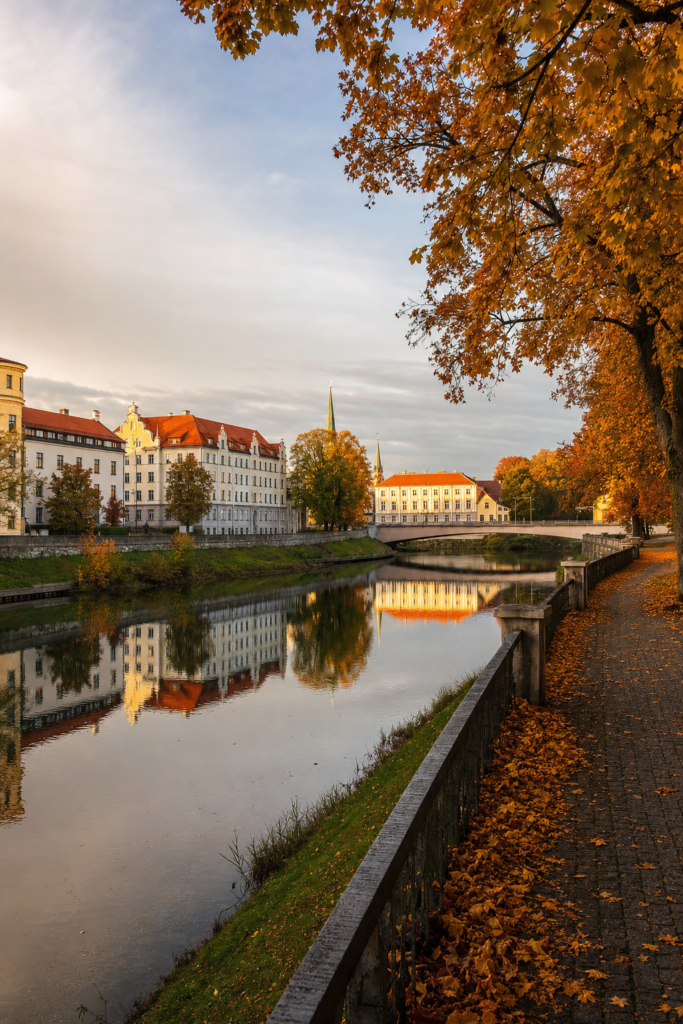
Tallinn’s fairy-tale old town has become a fixture on every Baltic itinerary, but Estonia’s second city, Tartu, still barely registers with international travelers — despite being home to the country’s oldest and most prestigious university, founded in 1632. The result is a small, walkable city with a genuinely lived-in student energy: riverside cafés along the Emajõgi, a leaning “Kissing Students” fountain in the main square, and an excellent contemporary art and science museum scene that punches well above the city’s size.
Tartu is also a smart base for exploring rural southern Estonia, including Soomaa National Park’s bog trails, without competing for hotel rooms with the Tallinn cruise crowds.
- Best for: a low-key city break, university-town atmosphere, day trips into rural Estonia
- How to get there: bus or train from Tallinn (about 2–2.5 hours), or fly directly into Tartu Airport from Helsinki
- Best time to visit: May–August for long daylight hours and outdoor cafés
- Insider tip: climb Toome Hill at sunset for a view over the city’s red rooftops and the university’s ruined cathedral
12. Ghent, Belgium
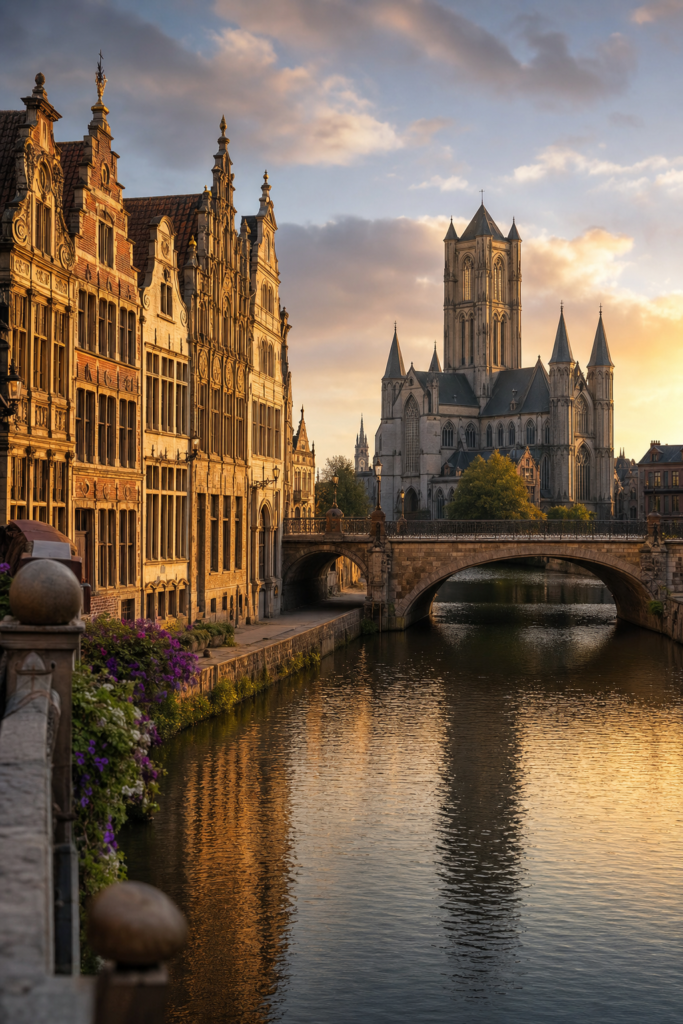
Bruges gets so overwhelmed with day-trippers from Brussels that its historic center can feel more like a theme park than a city by midday. Thirty minutes away, Ghent offers nearly the same medieval canal-and-guild-house scenery — arguably more, since its skyline mixes Gothic, Romanesque, and Baroque architecture along the Graslei and Korenlei waterfronts — but with a real university-city population that keeps it feeling lived-in rather than staged.
Ghent also has one of Belgium’s best food and craft-beer scenes, plus the Ghent Altarpiece inside St. Bavo’s Cathedral, one of the most significant paintings in Western art history, viewed by a fraction of the visitors who queue for it in a busier city.
- Best for: art and architecture, food, a walkable weekend city break
- How to get there: direct train from Brussels (about 40 minutes) or Brussels Airport
- Best time to visit: April–June or September–October
- Insider tip: climb the Belfry tower rather than the cathedral spire for the best skyline photo, including the cathedral itself in the frame
13. Faroe Islands, Denmark
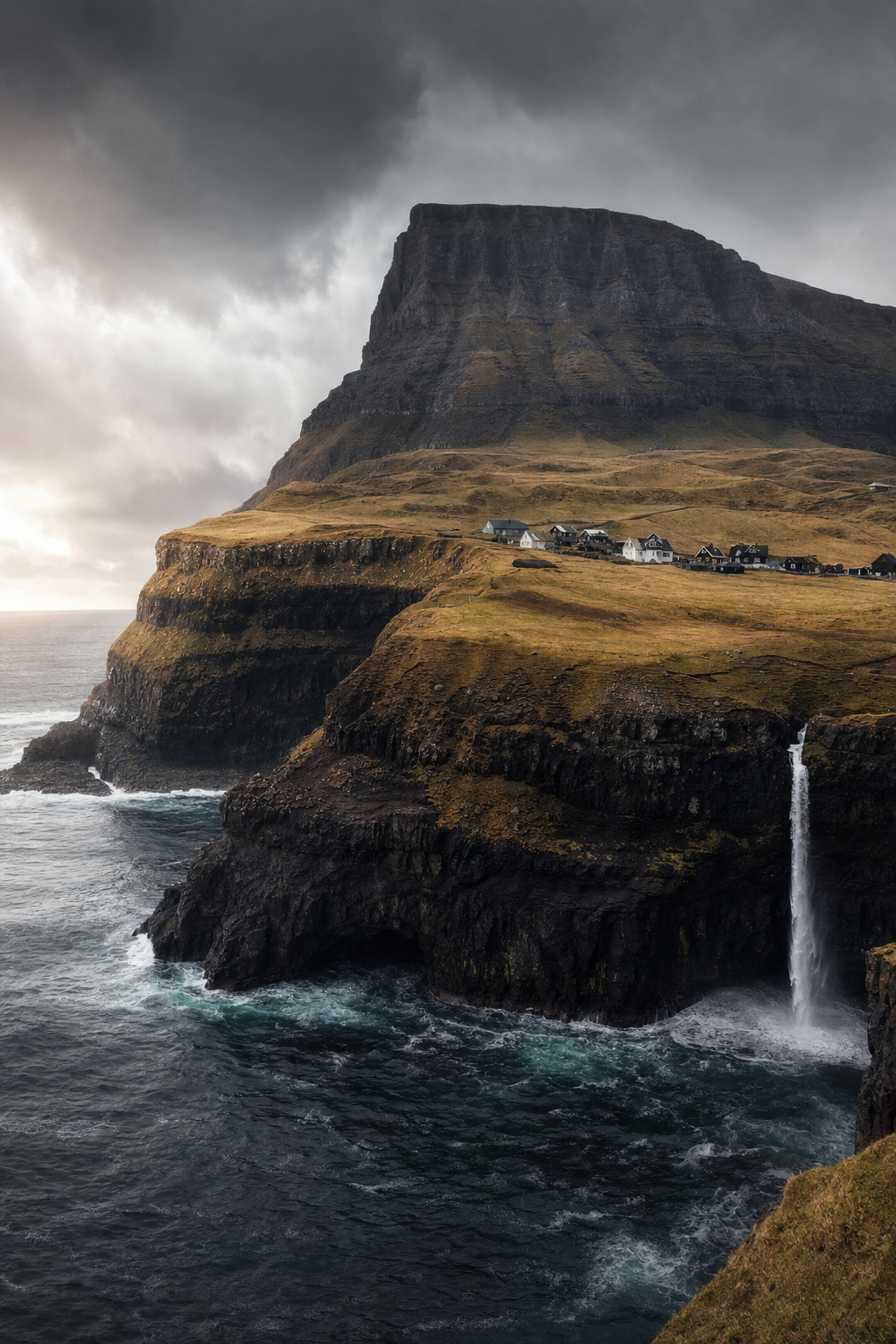
Everyone talks about Iceland’s dramatic landscapes; fewer people realize the self-governing Faroe Islands, a Danish archipelago halfway between Iceland and Norway, deliver similarly jaw-dropping scenery with a fraction of the visitor numbers. Grass-roofed villages cling to fjord walls, waterfalls drop directly into the ocean, and the sea stacks off Vágar and the village of Gásadalur look almost unreal in person — yet the total population is under 55,000 across all 18 islands.
The islands are part of Denmark but sit outside the EU and Schengen zone, so double-check entry requirements separately from the rest of your Europe trip before you book flights.
- Best for: dramatic landscapes, hiking, a genuine off-the-map feeling
- How to get there: direct flights to Vágar Airport from Copenhagen, Reykjavík, and select European cities
- Best time to visit: June–August for the mildest, driest weather (still pack for rain)
- Insider tip: the short hike to Lake Sørvágsvatn’s cliff-edge viewpoint, where the lake appears to float above the ocean, is one of the most photographed spots in the Faroes for good reason — go early to have the trail to yourself
14. Ostuni & the Itria Valley, Italy
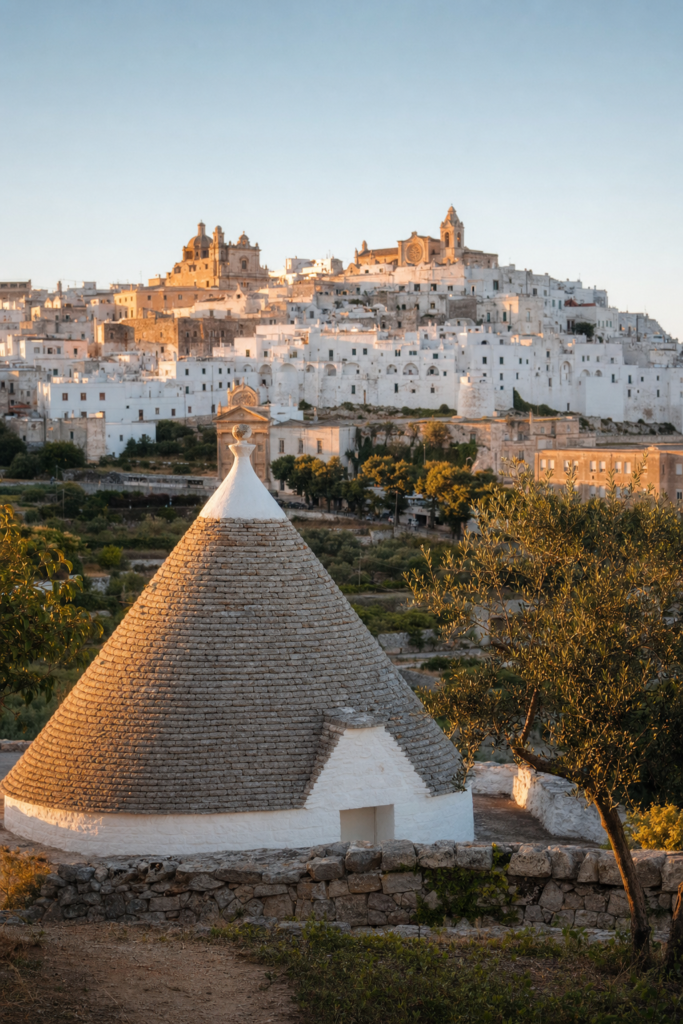
The Amalfi Coast and Cinque Terre are so overrun in summer that Italian locals increasingly vacation somewhere else entirely: Puglia, the flat heel of Italy’s boot. Ostuni, known as the “White City,” spills down a hillside in dazzling whitewashed buildings visible for miles across the surrounding olive groves. Nearby, the Itria Valley is dotted with trulli — conical, dry-stone huts unique to this corner of Italy — concentrated most famously in Alberobello but scattered through the whole countryside.
Puglia’s beaches along the Adriatic and Ionian coasts rival Amalfi’s for beauty, at a fraction of the cost and crowd density.
- Best for: beach time, food, a slower-paced Italy trip
- How to get there: fly into Bari or Brindisi airports, then rent a car to explore the Itria Valley
- Best time to visit: May–June or September for warm weather without the August Italian holiday crush
- Insider tip: base yourself in a converted trullo (many rent nightly) rather than a standard hotel — it’s a genuinely different way to experience the region
15. Perast, Montenegro
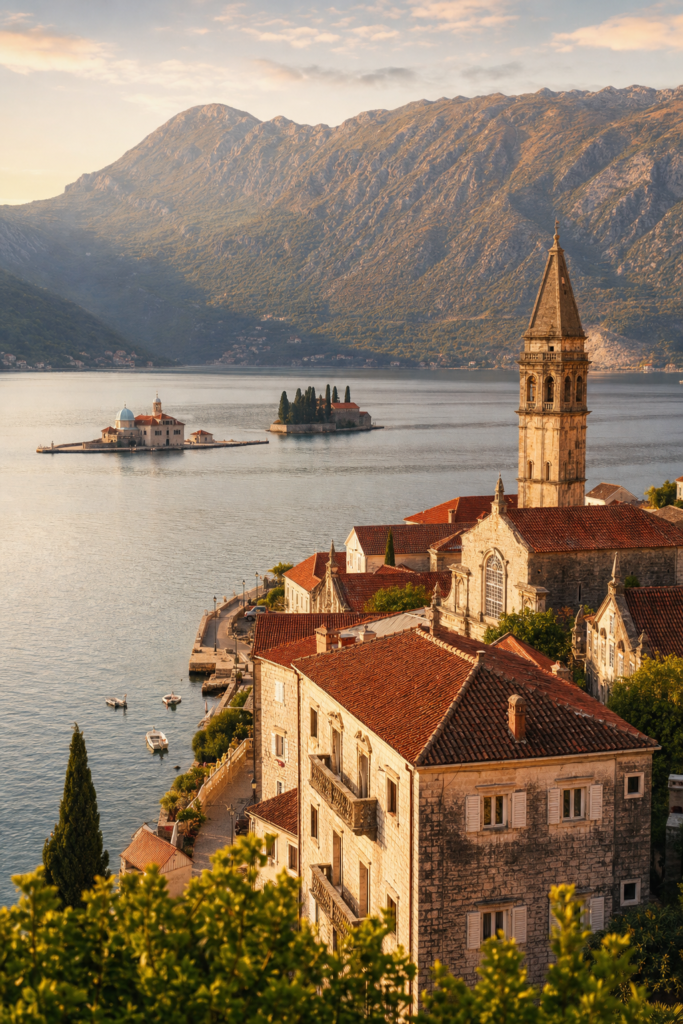
Kotor’s cruise-ship crowds have become notorious in the Adriatic, but drive fifteen minutes around the bay and you’ll reach Perast, a single-street Baroque village of stone palazzos built by sea captains during the Venetian era. From the waterfront, small boats ferry visitors out to two tiny islands, Our Lady of the Rocks and St. George, sitting just offshore in water so still they appear to float.
Perast has no room for large buses and no cruise terminal, which keeps it a genuine day-trip secret even for travelers who’ve already ticked Kotor off their list.
- Best for: a quiet counterpoint to Kotor, boat trips, photography
- How to get there: fly into Tivat Airport, then a 20-minute taxi or local bus around the Bay of Kotor
- Best time to visit: May–June or September, avoiding peak cruise-ship season
- Insider tip: take the small boat out to Our Lady of the Rocks in late afternoon, when the cruise-day crowds have already left Kotor and the light on the bay turns gold
How to Plan a Trip Around Europe’s Hidden Gems
A few practical habits make it much easier to actually reach places like these instead of defaulting back to the well-worn capital-city circuit:
- Fly into secondary airports. Regional airports — Sibiu, Ohrid, Tartu, Vágar — are often served by low-cost carriers and put you closer to the destination than the nearest major capital.
- Rent a car where public transport is thin. Places like the Soča Valley, the Itria Valley, and rural Andalusia are far easier with your own wheels than on a bus schedule built around tourist buses to the famous spots.
- Travel shoulder season. Late May, June, and September consistently offer the best balance of good weather and thin crowds across almost every destination on this list.
- Stay overnight, not just a day trip. Several of these towns — Óbidos, Symi, Perast — are marketed as day trips from bigger cities. Staying even one night gives you the place after the tour buses leave.
- Check entry requirements before you book. Schengen rules, ETIAS status, and visa requirements vary by nationality and change over time — confirm the current rules for your passport on an official government source, not a blog post, close to your travel date.
Frequently Asked Questions About Hidden Gems in Europe
What are the least touristy places to visit in Europe?
Countries and regions that sit outside the main Western European tourist circuit — Albania, North Macedonia, inland Slovenia, the Faroe Islands, and Estonia’s second-tier cities like Tartu — consistently see far fewer international visitors than France, Italy, or Spain’s headline destinations, even though the scenery and history are comparable.
The Balkans as a region — Albania, North Macedonia, Montenegro, and inland Croatia — currently offer the highest concentration of under-visited destinations relative to their beauty and historical significance, largely because tourism infrastructure there developed later than in Western Europe.
Generally, yes. Destinations like Gjirokastër, Ohrid, and Sibiu offer significantly lower accommodation and dining costs than Paris, Rome, or Santorini, since prices in tourist economies typically rise with visitor volume. Popular alpine spots like Gimmelwald can still be pricier due to Switzerland’s overall cost of living.
Late May through June and September are the sweet spot for most of the destinations on this list — warm enough for sightseeing and coastal towns, with far fewer crowds than the July–August peak, when even lesser-known spots can fill up with domestic and regional travelers.
Yes — every destination on this list is a well-established part of its country’s domestic and regional tourism, with normal safety standards. As with any trip, it’s worth checking your government’s current travel advisories and having local emergency numbers on hand before you go.
Final Thoughts
The common thread across all 15 of these places isn’t obscurity for its own sake — it’s that each one delivers the same caliber of scenery, history, or food as Europe’s most famous stops, minus the crowds that can make those places exhausting to actually enjoy. Overtourism isn’t going away, but a little research before you book goes a long way toward a trip that feels like discovery rather than a queue. Looking for more? Browse Tripvorra’s full collection of hidden destinations guides for other under-the-radar spots worth adding to your list.
Pin this guide to your Europe travel board for later, and let us know in the comments which of these hidden gems is going on your list first.