

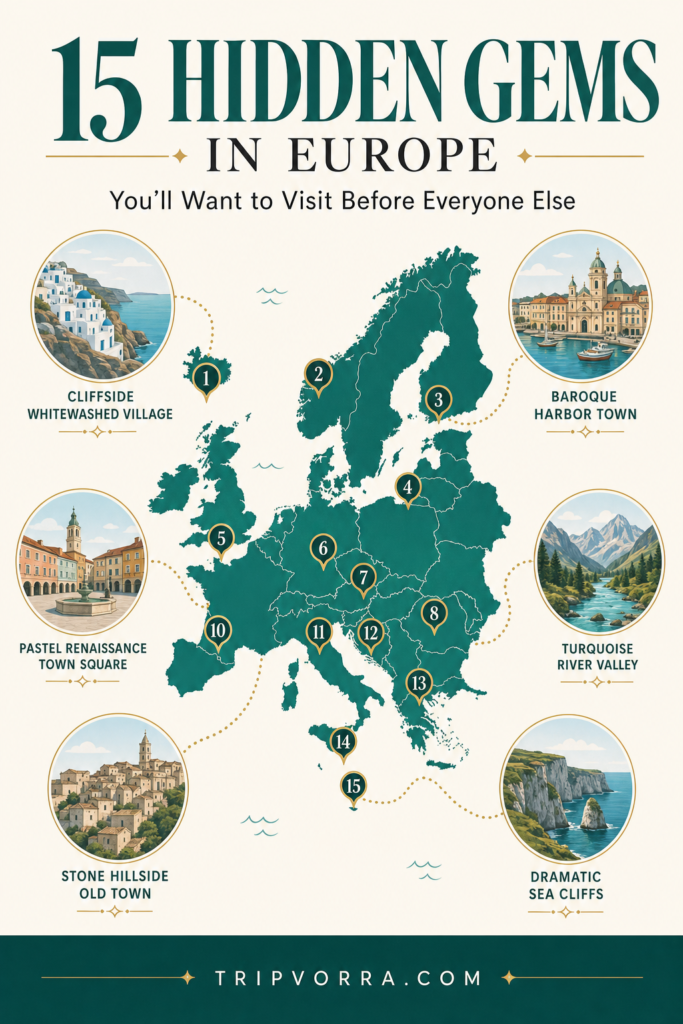
Every summer, a short list of European cities and coastlines takes most of the visitors. This guide covers 15 places that are quieter than a famous neighbour nearby: a cave village near Ronda, a car-free hamlet in the Lauterbrunnen Valley, a lake town in North Macedonia, and a Puglia hill town that most people pass on the way to Alberobello. Some of them are well known in their own right. Ghent, Óbidos, the Faroe Islands and Perast all get busy on certain days, and each section below says when.
Tripvorra researched this guide using official tourism, transport and heritage sources linked throughout.
Last verified: October 2026.
How These 15 Places Were Chosen
Each place on the list had to meet three tests: it sits within a few hours of a much busier destination, it can be reached by scheduled train, bus, ferry or flight (or a short drive from one), and it rewards an overnight stay rather than a quick photo stop. None of them is empty. Several have their own peak days, such as cruise calls in the Bay of Kotor, festival weeks in Ghent and Sibiu, and July and August weekends almost everywhere on the Mediterranean. The point is timing: visited at the right moment, each one is calmer than the obvious alternative.
Check entry rules before you book
- The EU’s Entry/Exit System (EES) started on 12 October 2025 and has been fully operational since 10 April 2026, so non-EU visitors on short stays now register fingerprints and a facial image at Schengen external borders.
- ETIAS, the separate pre-travel authorisation, is a different story. As of October 2026 it is not in operation, and the EU has not announced a start date. The official portal previously said “last quarter of 2026”, and Poland’s foreign ministry now says it is scheduled to launch in 2027. Check the official EU travel site close to your departure date.
- Albania, North Macedonia, Montenegro and the Faroe Islands are outside the Schengen area, so they have their own entry rules.
The 15 Places at a Glance
| Place | Quieter than | When it gets busy |
|---|---|---|
| 1. Setenil de las Bodegas, Spain | Ronda | Weekends and midday tour-coach hours |
| 2. Gimmelwald, Switzerland | Lauterbrunnen, Grindelwald, Mürren | Summer hiking season, July and August |
| 3. Óbidos, Portugal | Sintra | Medieval Market (July), Vila Natal (December), weekends |
| 4. Sibiu, Romania | Brașov and the Bran Castle circuit | Theatre festival in late June |
| 5. Ohrid, North Macedonia | Lake Bled, Dubrovnik | July and August |
| 6. Gjirokastër, Albania | Berat, the Albanian Riviera | Midsummer day trips from Sarandë |
| 7. Telč, Czech Republic | Český Krumlov | Late July to early August festival |
| 8. Vis, Croatia | Hvar | August |
| 9. Symi, Greece | Rhodes Town, Lindos | Midday, when day-trip boats arrive |
| 10. Soča Valley, Slovenia | Lake Bled | July and August weekends |
| 11. Tartu, Estonia | Tallinn Old Town | Summer festival weekends |
| 12. Ghent, Belgium | Bruges | Gentse Feesten (July), weekends |
| 13. Faroe Islands | Iceland’s Golden Circle | June to August |
| 14. Ostuni and the Itria Valley, Italy | Amalfi Coast, Alberobello’s trulli districts | July and August |
| 15. Perast, Montenegro | Kotor Old Town | Cruise-ship days, midday boat tours |
1. Setenil de las Bodegas, Spain
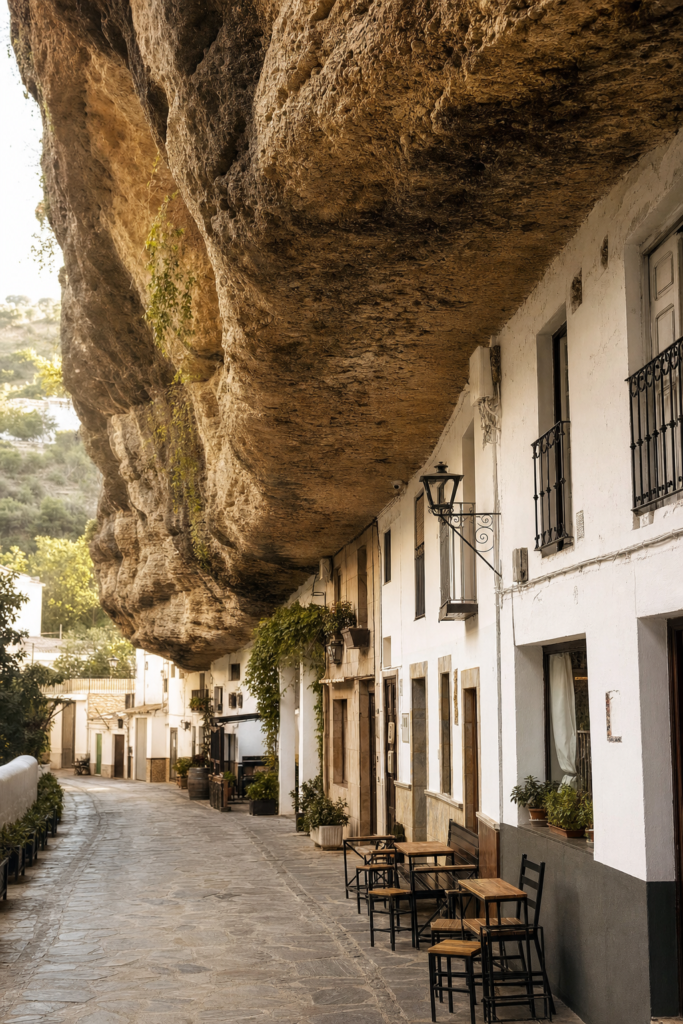
Setenil de las Bodegas is a small white village in the north of Cádiz province, built into the gorge of the Río Trejo. Its best-known feature is a massive rock overhang that roofs entire streets. On Calle Cuevas del Sol the houses face south into the sun, while on Calle Cuevas de la Sombra the canyon rock covers them, which is where the two street names come from. Above the village, the tower of the ruined Moorish castle gives a view across the rooftops.
Ronda, the obvious base, is only 18 km away, about 21 minutes by car. That proximity cuts both ways: many coach tours from the Costa del Sol combine the two towns in one day, so the cave streets are busiest in the middle of the day and on weekends. Visit early, or stay in Setenil and walk the lanes after the coaches leave.
- Getting there: Málaga Airport is about 90 minutes away by car. Setenil also has a station on Renfe’s Bobadilla–Algeciras line (Media Distancia line 70 to Ronda and Antequera), but trains are infrequent and a car is the practical option.
- Best time: spring and autumn weekdays. Inland Andalusia is very hot in July and August.
- Good to know: the streets inside the village are narrow, so park on the edge of town. The tourist office next to Plaza Andalucía opens daily from 10am to 2pm.
2. Gimmelwald, Switzerland
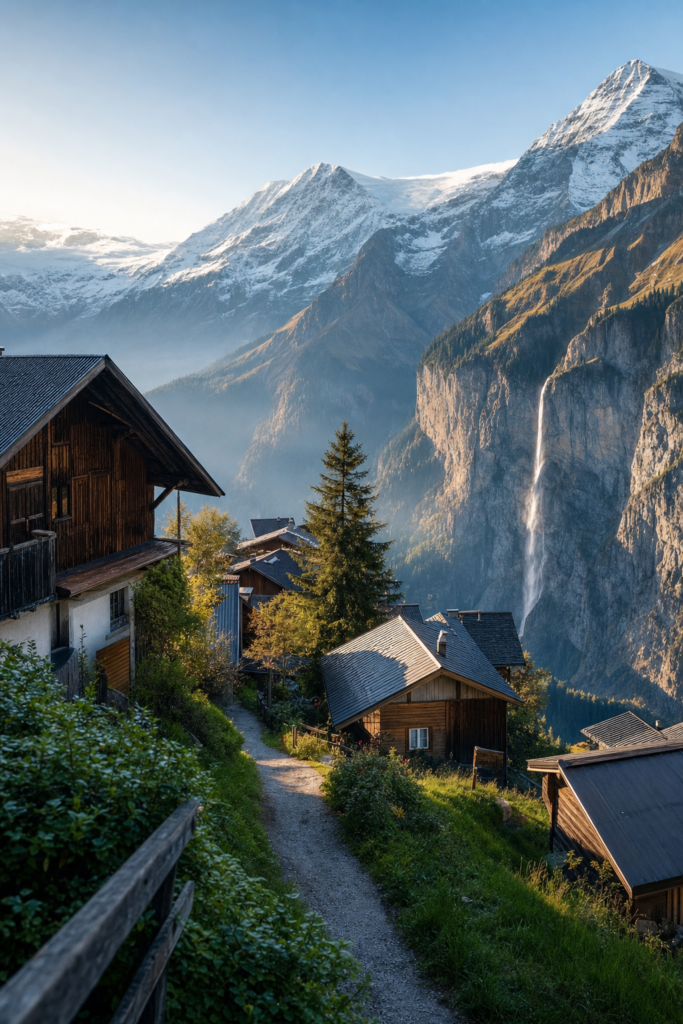
Gimmelwald sits on a ledge at 1,367 metres above the Lauterbrunnen Valley. It has no road, so it is car-free, and it had 109 residents at the end of 2025. The village is mostly wooden chalets, barns and farms where you can buy milk and meat directly, with the Eiger, Mönch and Jungfrau across the valley. Compared with Grindelwald, Wengen or even Mürren, there is very little here beyond the scenery, which is the reason to come.
Access changed recently, so older guides can mislead. In December 2024 the Schilthornbahn opened a new direct cableway from Stechelberg to Mürren, billed as the world’s steepest at a 159.4 per cent gradient. It does not stop in Gimmelwald. The original line via Gimmelwald is being kept, so the village is still reached on the older cable car from Stechelberg, or on foot from Mürren.
- Getting there: train to Lauterbrunnen, bus to Stechelberg, then the cable car up. MySwitzerland lists tickets from CHF 6.40 for Gimmelwald–Stechelberg, valid from 19 October 2026 to 15 April 2027.
- Best time: June to September for hiking. The Mürren–Gimmelwald via ferrata, with an 80-metre suspension bridge, usually runs from mid-June to late October.
- Good to know: the village has very few beds and services, so book accommodation and check the cable car timetable before you go. Overnight guests receive a guest card with free entry to the sports centre pool and ice rink in Mürren.
Gimmelwald: check before you go
The older cable car line via Gimmelwald (Stechelberg–Gimmelwald–Mürren) was scheduled to close for maintenance from 19 to 30 October 2026, with a replacement shuttle bus between Gimmelwald and Mürren, so check the timetable for your dates.
3. Óbidos, Portugal
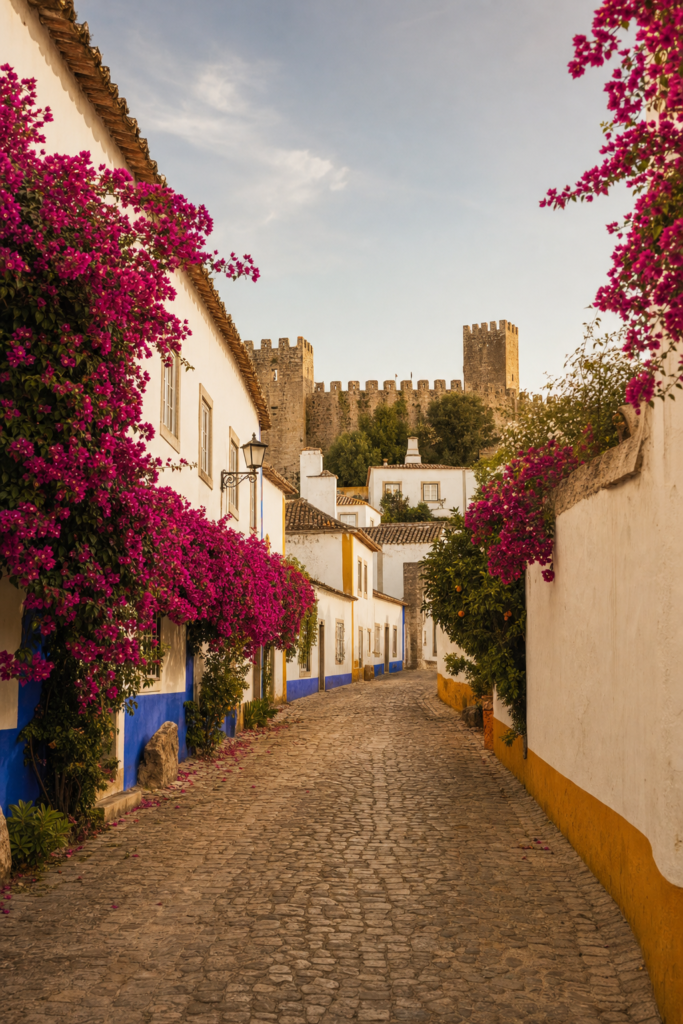
Óbidos is a popular day trip from Lisbon, so it is not obscure. It is, however, smaller and easier to manage than Sintra. The town is enclosed by a 1,560-metre loop of walls, up to about 13 metres high in places, and you can walk most of the circuit along the top. UNESCO named Óbidos a City of Literature in 2015, and the town has since opened bookshops in unusual places, including one inside a church.
The calendar matters here. The Medieval Market ran from 16 to 26 July in 2026, and the Christmas event, Óbidos Vila Natal, ran from 28 November 2025 to 4 January 2026 with a €10 adult ticket. A 2026 festival calendar lists the next edition as 27 November 2026 to 3 January 2027, so confirm dates and ticket prices with the organisers. Both fill the narrow streets. For a quieter visit, pick a weekday outside those dates and stay the night, since most day visitors leave by early evening.
- Getting there: the express bus from Lisbon’s Campo Grande terminal takes about an hour. As of August 2026, a single adult ticket cost €9.45, bought from the driver, with the last bus back leaving Óbidos at 9:45pm. The train is slower, at nearly three hours.
- Best time: spring and early autumn weekdays.
- Good to know: the wall walk has no guardrails. Take care with children or if you are uneasy with heights.
4. Sibiu, Romania
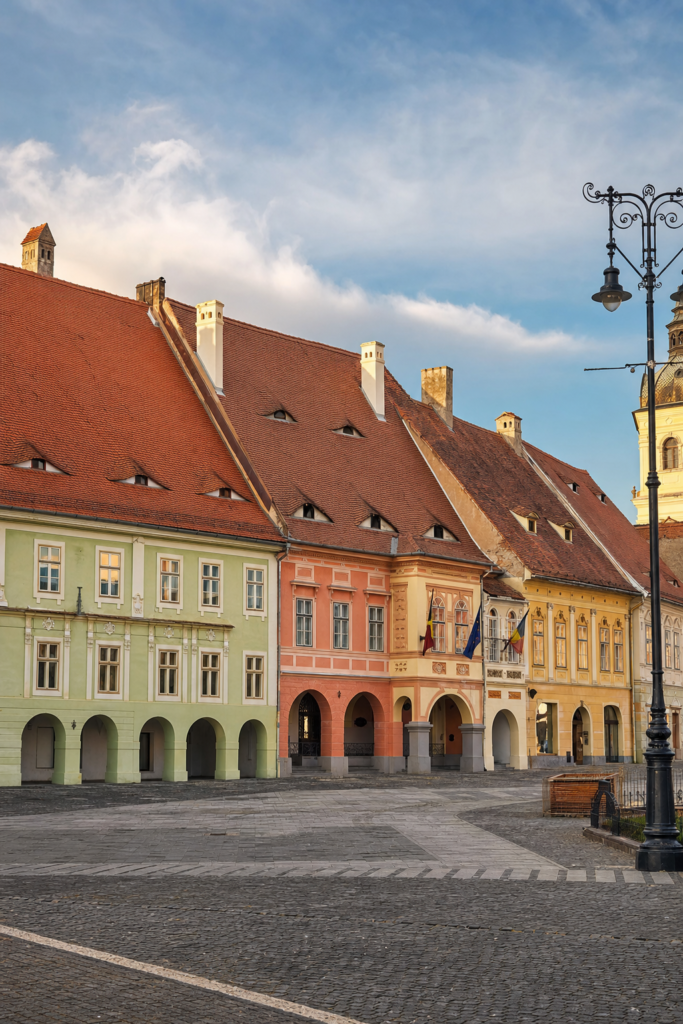
Many Transylvania itineraries centre on Brașov and the Bran Castle area. Sibiu, a former Saxon trading town, makes a calmer base. It shared the title of European Capital of Culture with Luxembourg in 2007, and its old centre is built around two connected squares, Piața Mare and Piața Mică. The Council Tower between them is open daily from 10am to 8pm, and the city app lists the ticket at 2 RON.
The main museum outing is the ASTRA open-air museum, about 4 km from the centre in the Dumbrava Sibiului forest. It covers 96 hectares and has more than 300 traditional buildings, and the museum’s ticket page lists adult entry at 50 lei. Sibiu’s busiest week is the Sibiu International Theatre Festival in late June; the 2027 edition is set for 18 to 27 June, and rooms fill up well ahead.
- Getting there: Sibiu International Airport is 3 km from the city, with Wizz Air flights from several German, Italian, Spanish and UK airports and Austrian Airlines from Vienna. From Bucharest, buses take about five hours and trains around six, according to route planners.
- Best time: May, early June or September. Avoid festival week unless you are going for the festival.
- Good to know: ASTRA’s opening hours vary by season and by entrance gate, and some indoor pavilions open only from Wednesday to Sunday, so check the museum’s visiting-hours page before you go.
5. Ohrid, North Macedonia
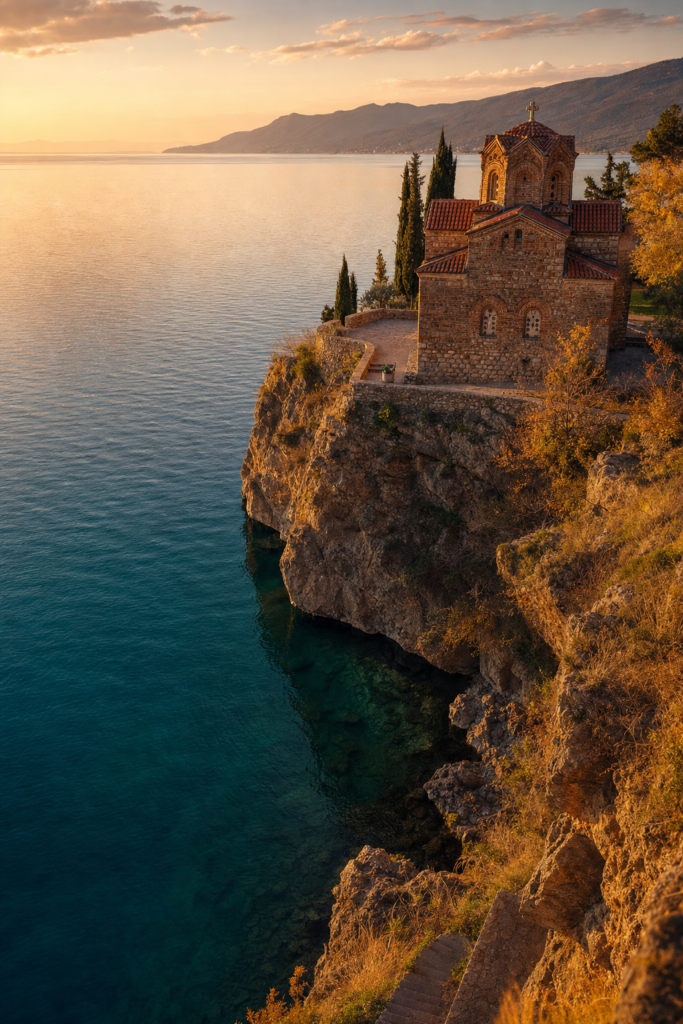
Lake Ohrid has existed for roughly two to three million years, according to UNESCO, which inscribed the Ohrid region in 1979 for its nature and in 1980 for its culture, then extended the site to the Albanian side of the lake in 2019. The town’s hillside old quarter mixes Byzantine churches, including the clifftop Church of St John at Kaneo, with Ottoman-era houses and a fortress above.
Ohrid is not quiet in midsummer, when the lakefront fills with holidaymakers, so the shoulder months are the better choice. The site is also under pressure from development. In July 2026 the World Heritage Committee postponed listing the Ohrid region as World Heritage in Danger, giving North Macedonia until 2030 to act on its recommendations, with a progress report due by early February 2027.
- Getting there: Ohrid St. Paul the Apostle Airport has a small schedule; in 2026 Wizz Air added or restored twice-weekly routes to Milan Malpensa, Wrocław and Katowice. Alternatively, fly to Skopje and take the bus, which takes about 3 to 4 hours.
- Best time: June and September for swimming without the August peak.
- Good to know: North Macedonia is outside the EU and Schengen and uses the denar, so check entry rules for your passport separately.
6. Gjirokastër, Albania
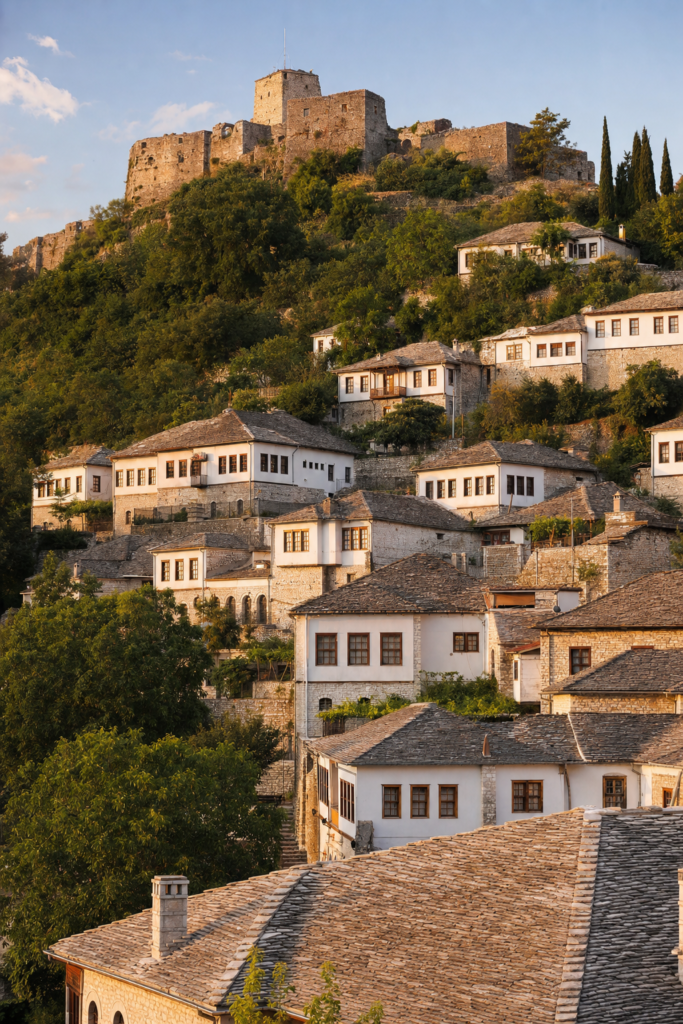
Gjirokastër’s old town climbs a steep hillside in stone-roofed Ottoman-era houses, and it is listed by UNESCO together with Berat as the Historic Centres of Berat and Gjirokastra (inscribed 2005, boundaries modified 2008). Southern Albania’s summer crowds concentrate on the beaches around Sarandë, 56 km away, which makes Gjirokastër the calmer choice outside the hottest weeks.
The castle is the main sight. We found no official source for the castle’s admission price, and the private and non-profit sources we could read disagree: the Albania Visit travel site (a commercial tourism operator) lists 400 lek plus 200 lek for the museums, while the Gjirokastra Foundation’s visitor pages (a heritage non-profit, not the ticket operator) list 200 lek for the castle and 200 lek combined for the Gjirokastra Museum and the National Museum of Armaments. Neither page is dated, so treat admission as a few hundred lek and confirm at the ticket desk. Inside is the National Museum of Armaments, whose best-known exhibit is a Lockheed T-33 jet that was forced to land in Tirana in 1957 after its pilot got lost on a training flight; the communist government presented it as a captured spy plane. The castle courtyard also hosts Albania’s National Folk Festival, held every five years.
- Getting there: buses from Tirana take around 4 to 4.5 hours. From Corfu, take the ferry to Sarandë, then the bus for the remaining 56 km.
- Best time: May, June and September. Inland summer heat makes the steep cobbled lanes hard going in July and August.
- Good to know: castle hours are about 9am to 7pm in summer and 9am to 5pm in winter; the Gjirokastra Foundation gives 9am to 7pm from April to September and 9am to 5pm from October to March. Albania is outside the EU and Schengen and uses the lek.
7. Telč, Czech Republic
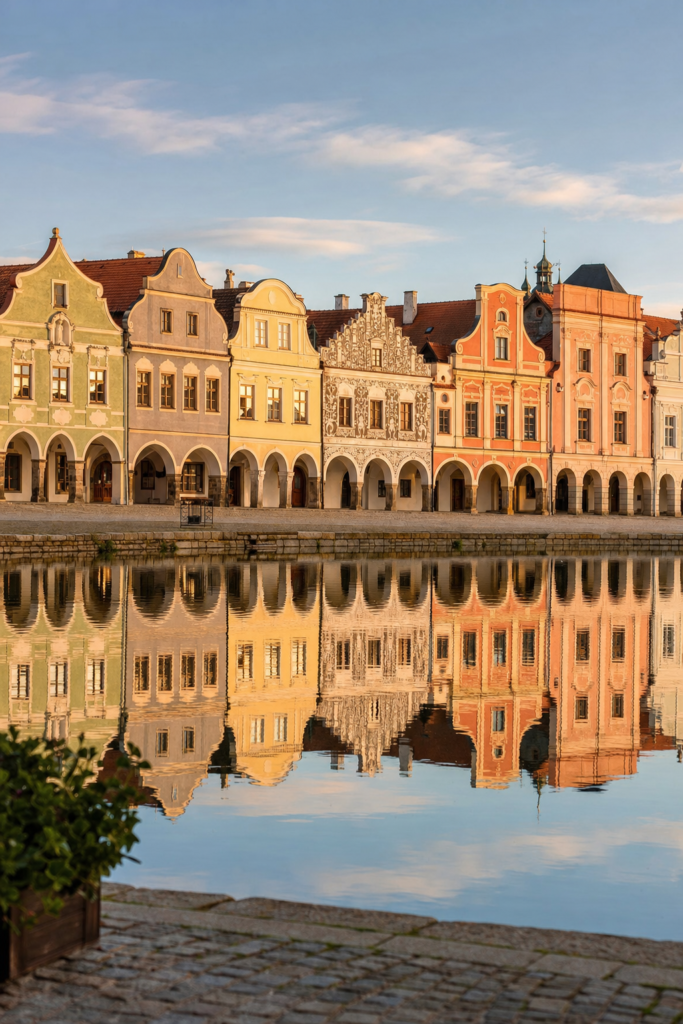
Český Krumlov is the Czech small town that most tours include. Telč, in the Vysočina region, gets far fewer coaches. UNESCO inscribed the Historic Centre of Telč in 1992, describing a triangular market square lined with Renaissance and Baroque burgher houses joined by a continuous arcade, a castle with an Italian-influenced interior, and a town protected by walls and artificial ponds. Because it avoided heavy 19th-century restoration, much of the townscape is original.
The chateau usually opens from about April to the end of October and is closed on Mondays, and the tower of St James has a viewing gallery about 33 metres up, reached by 162 steps, according to a 2026 Czech travel guide. The same guide notes that the town is busiest around the turn of July and August, during the Prázdniny v Telči music festival.
- Getting there: roughly two hours by car from Prague. Some direct buses take about 2 to 2.5 hours, according to Czech travel guides, while trains need a change (for example at Havlíčkův Brod) and take around four hours.
- Best time: May, June or September, when the chateau is open and the square is quieter.
- Good to know: plan your day around the Monday chateau closure, and check bus times on the Czech timetable portal IDOS before relying on a direct connection.
8. Vis, Croatia
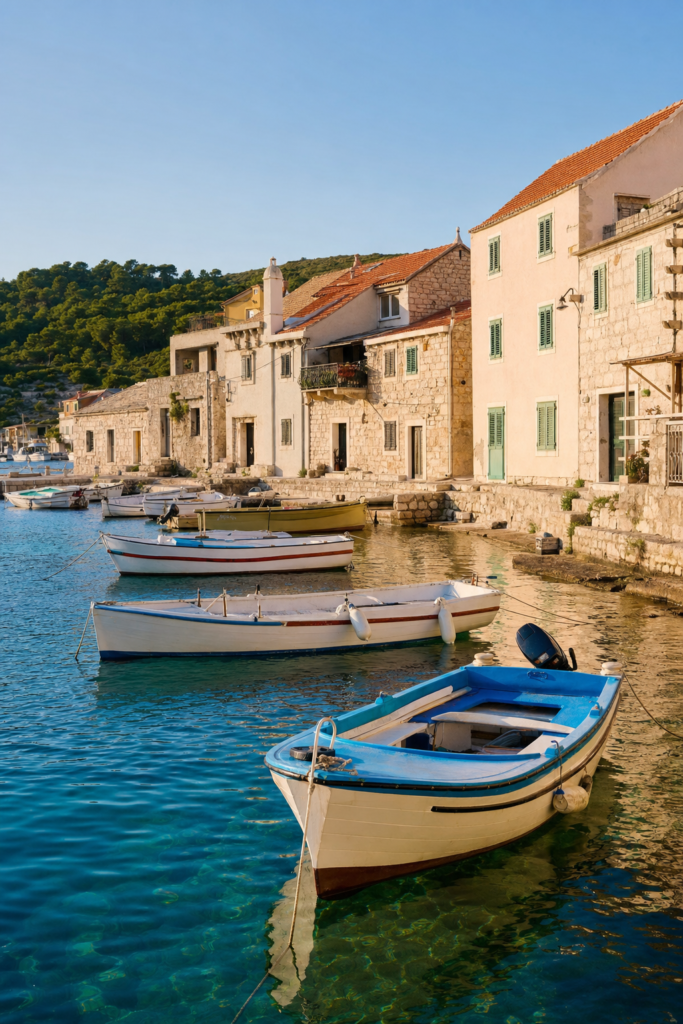
Vis lies farther out than Hvar or Brač, and its history kept it undeveloped: as a Yugoslav military base, it was closed to foreign visitors from the 1950s until 1989. Its two towns, Vis and Komiža, are harbour towns rather than resort strips. The island got a publicity bump when Mamma Mia! Here We Go Again was filmed there, but it still has much less of the yacht-party scene than Hvar.
The best-known excursion is the Blue Cave on Biševo, about 8.3 km off Komiža. You enter by small boat through an opening about 1.5 metres high, and sunlight coming through an underwater passage turns the water blue. The Komiža tourist board says the effect is best between 10am and 2pm, depending on the season, so the first boat of the day is not necessarily the best one.
- Getting there: Jadrolinija’s car ferry line 602 from Split takes 140 minutes; line 659 also links Vis with Bol and Hvar. Book ahead for cars in July and August.
- Best time: June or September, when the sea is warm and August crowds have not arrived or have gone.
- Good to know: Blue Cave visits depend on sea conditions, and the cave operator publishes its own yearly price list; check the official Blue Cave site or the Komiža tourist board rather than relying on tour-agent quotes.
9. Symi, Greece
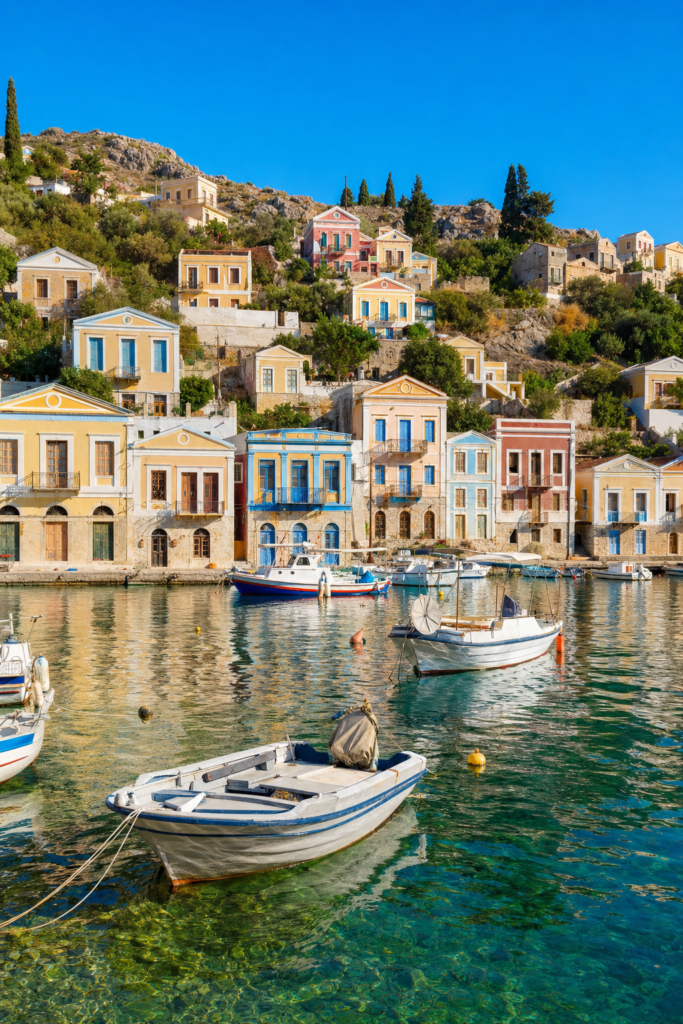
Symi’s harbour is ringed by colourful neoclassical mansions, many built during a mid-19th-century boom when sponge fishing and shipbuilding made the island wealthy. The population peaked at around 22,500 in that era; the 2021 census counted 2,603 permanent residents. Restorations of these houses must follow guidelines set by the Greek culture ministry’s Archaeological Service. In the south of the island, the Monastery of the Archangel Michael at Panormitis is an important pilgrimage site for Greeks.
Symi is a common day trip from Rhodes, so the harbour is at its busiest while the excursion boats are in. In the season the island’s population can climb to about 6,000. If you can, stay at least one night to see Gialos in the early morning and evening.
- Getting there: fly to Rhodes, then take a ferry. Dodekanisos Seaways’ fast boat takes about 50 minutes; Blue Star and other operators take about one to one and a half hours, with foot-passenger fares from around €7 to €32 depending on the boat.
- Best time: May, June or September. The tourist season runs from Easter to early November.
- Good to know: some boats call at Panormitis as well as the main port of Gialos, so check which port your ticket uses.
10. Soča Valley, Slovenia
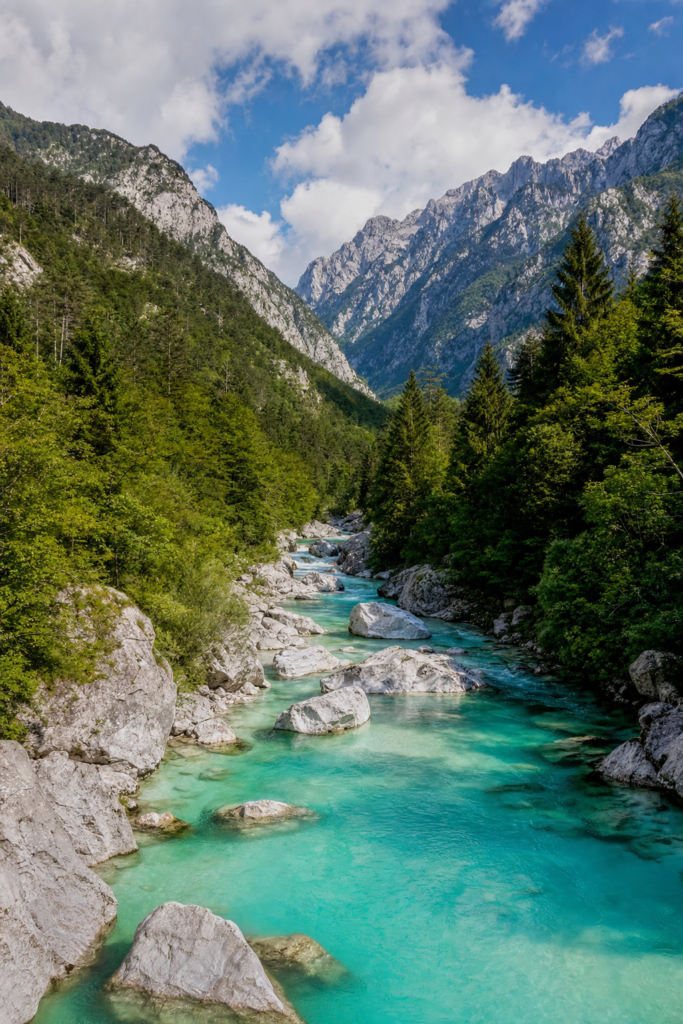
Lake Bled is Slovenia’s postcard. The Soča Valley, on the western side of the Julian Alps, draws a more active crowd: kayakers, rafters, canyoners and hikers based in Bovec and Kobarid. The river’s colour is the main draw, and the valley’s history is the second. During the First World War the Isonzo Front ran through here, and the Walk of Peace trail links the front-line sites, with the Kobarid Museum focused on the Twelfth Battle of the Isonzo in October 1917.
The Kozjak Waterfall near Kobarid is the easiest short walk in the valley, but it is not free. From 1 April to 31 October 2026, the official Soča Valley site lists an entrance fee of €5 for adults and €3 for children aged 7 to 14. The walk from the car park takes about half an hour to reach the 15-metre main fall.
- Getting there: driving from Ljubljana to Bovec takes roughly 1 hour 40 minutes; Nomago buses to Bovec take about three hours, but services are limited, so check the timetable.
- Best time: June and September for water sports with fewer people than July and August weekends.
- Good to know: the Kozjak entrance point is staffed from early April to 31 October, and holders of the Julian Alps card for the Soča Valley enter free.
11. Tartu, Estonia
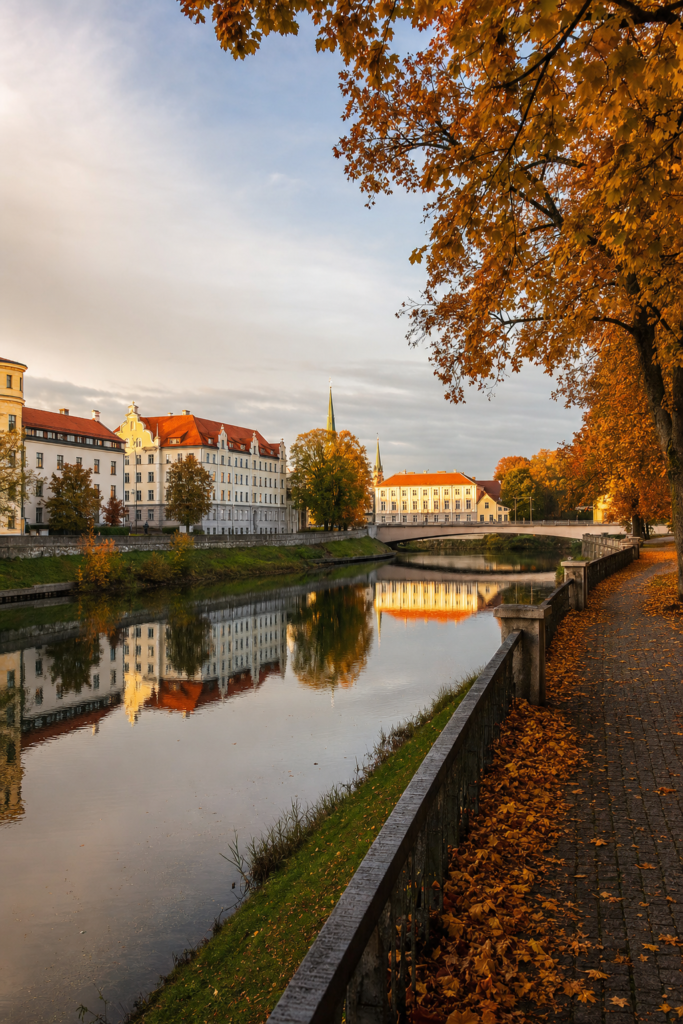
Tallinn’s old town takes most of Estonia’s visitors, including cruise passengers. Tartu, the second city, is a university town: the University of Tartu was founded in 1632 by King Gustav II Adolf of Sweden, and Tartu was a European Capital of Culture in 2024. The Kissing Students statue in front of the Town Hall is the city’s main meeting point. The “leaning house” people photograph nearby is a different landmark: the Tartu Art Museum, an 18th-century building on unstable ground.
Toome Hill, behind the square, has the ruins of the old cathedral and is a pleasant place to walk in the evening. Tartu is also a practical base for the shores of Lake Peipus to the east, and for southern Estonia’s countryside.
- Getting there: trains from Tallinn’s Baltic Station take about two to two and a half hours, with around 11 departures a day. Tartu Airport, 11 km from the city, has Finnair flights to Helsinki.
- Best time: May to August for long days and outdoor cafés along the Emajõgi river.
- Good to know: since 12 January 2026 a direct Tallinn–Tartu–Riga train has run without a change at Valga, and the launch timetable gave 3 hours 41 minutes from Tartu to Riga, which makes Tartu an easy stop on a Baltic rail trip.
12. Ghent, Belgium
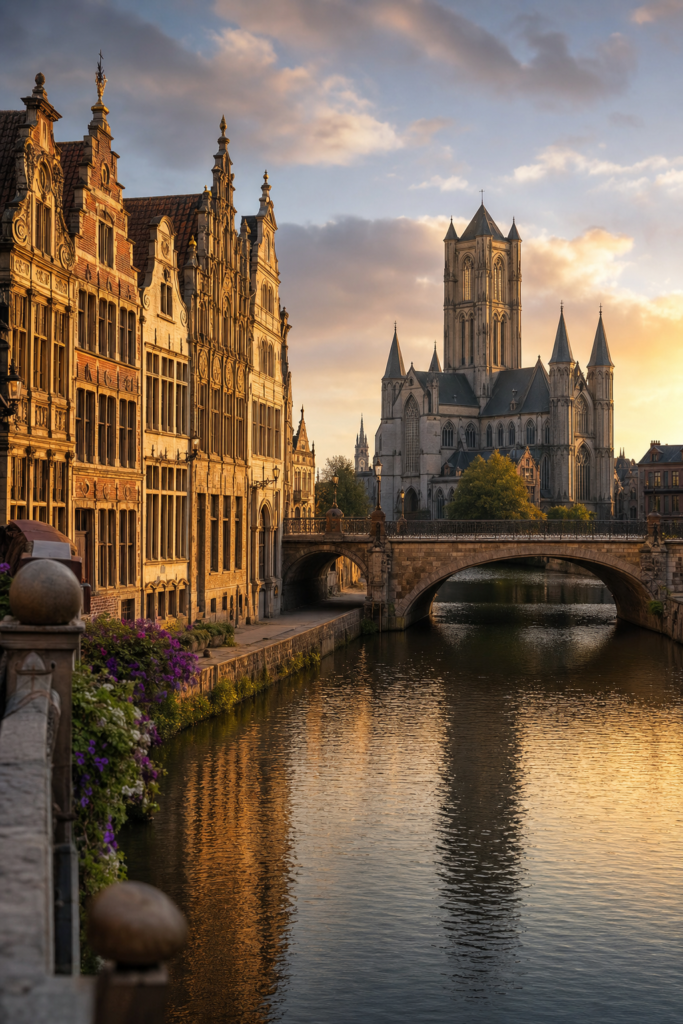
Ghent is a well-known city, not an undiscovered one. It is on this list because it is the usual alternative to Bruges: both have canals and medieval guild houses, but Ghent is a larger university city where daily life continues alongside tourism, along the Graslei and Korenlei quays. Its main art treasure is the Ghent Altarpiece by the van Eyck brothers in St Bavo’s Cathedral.
The Altarpiece is seen through a visitors’ centre with timed tickets. Visit Gent lists €12.50 for the Altarpiece alone and €16 with the augmented-reality tour, and advises booking online. Restoration of the upper register of the inner panels continues: from Tuesday to Friday restorers work on them at the Museum of Fine Arts, and the panels are shown at the cathedral on weekends and public holidays.
- Getting there: direct trains from Brussels-Midi to Gent-Sint-Pieters take about 28 minutes, with frequent departures through the day.
- Best time: April to June or September to October, on weekdays.
- Good to know: the city is packed during the Gentse Feesten, which ran from 17 to 26 July in 2026. Go for the festival or avoid those ten days.
13. Faroe Islands
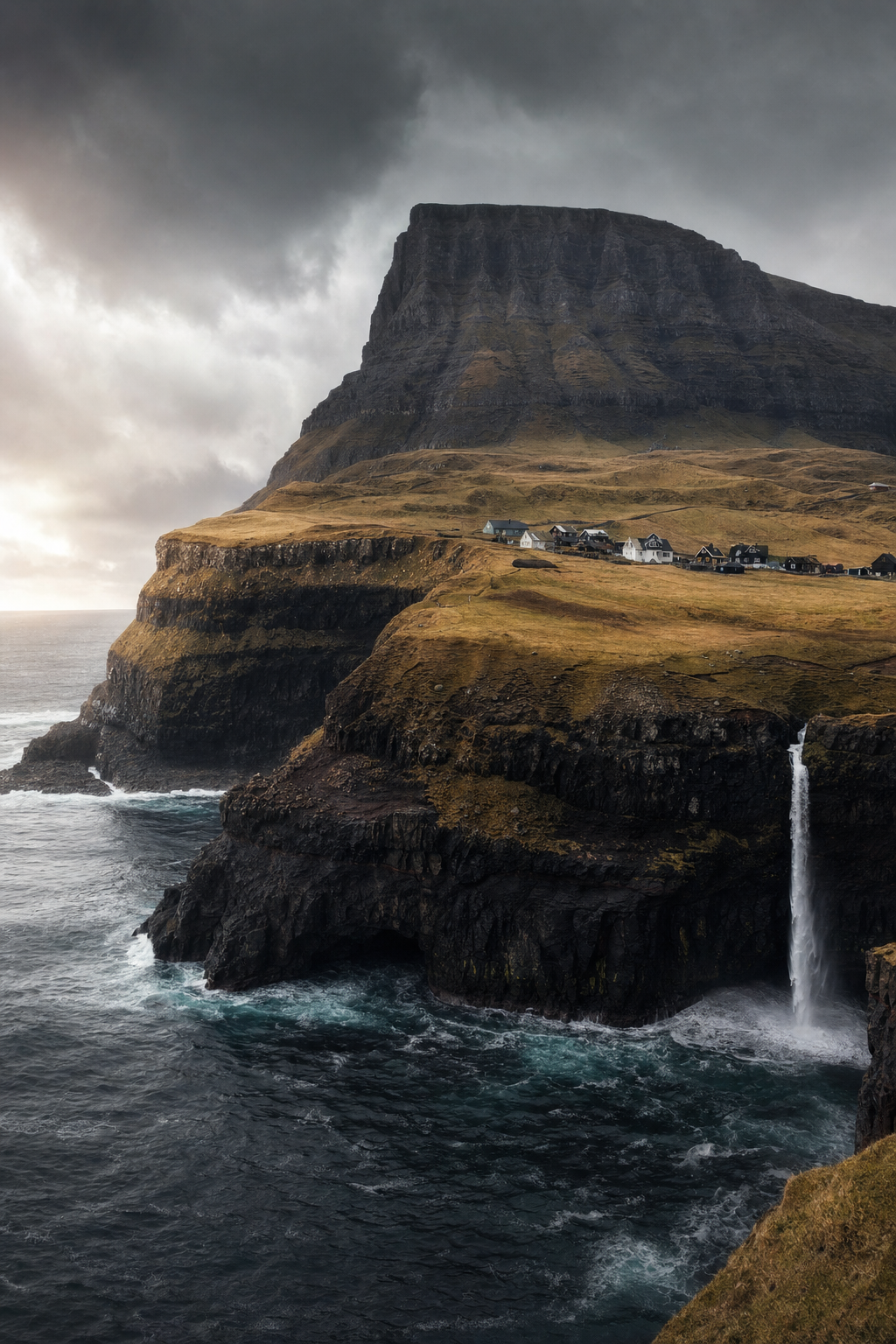
The Faroe Islands, a self-governing archipelago within the Kingdom of Denmark, are well known for their landscapes, but the scale is small: the whole population was 54,945 at the start of 2026. The draws are sea cliffs, grass-roofed villages and waterfalls that fall straight into the sea, such as the one at Gásadalur on Vágar.
Much of the land is privately owned, and several popular hikes now charge fees. According to Visit Faroe Islands, the charges are:
| Hike | Fee |
|---|---|
| Trælanípa walk above Lake Sørvágsvatn | 200 DKK per person without a guide, or 450 DKK with one |
| Kallur lighthouse path | 200 DKK |
| Mykines | Guide required (ages 15 and over): 500 DKK (400 DKK booked online), from 1 May to 31 August, plus the ferry. Visit Faroe Islands notes that the lighthouse path is closed because of a landslide |
New sustainable tourism legislation may change these amounts.
- Getting there: Vágar Airport has year-round daily flights from Copenhagen with Atlantic Airways and SAS, plus seasonal Atlantic Airways routes from Edinburgh, London, Paris and Barcelona, Icelandair from Keflavík and Widerøe from Bergen.
- Best time: June to August for the mildest weather and longest days, which is also when the islands are busiest. Pack for rain in any month.
- Good to know: the Faroes are not part of the EU or the Schengen area. A Schengen visa is not valid there; travellers who need a visa must get one that specifically covers the Faroe Islands.
14. Ostuni & the Itria Valley, Italy
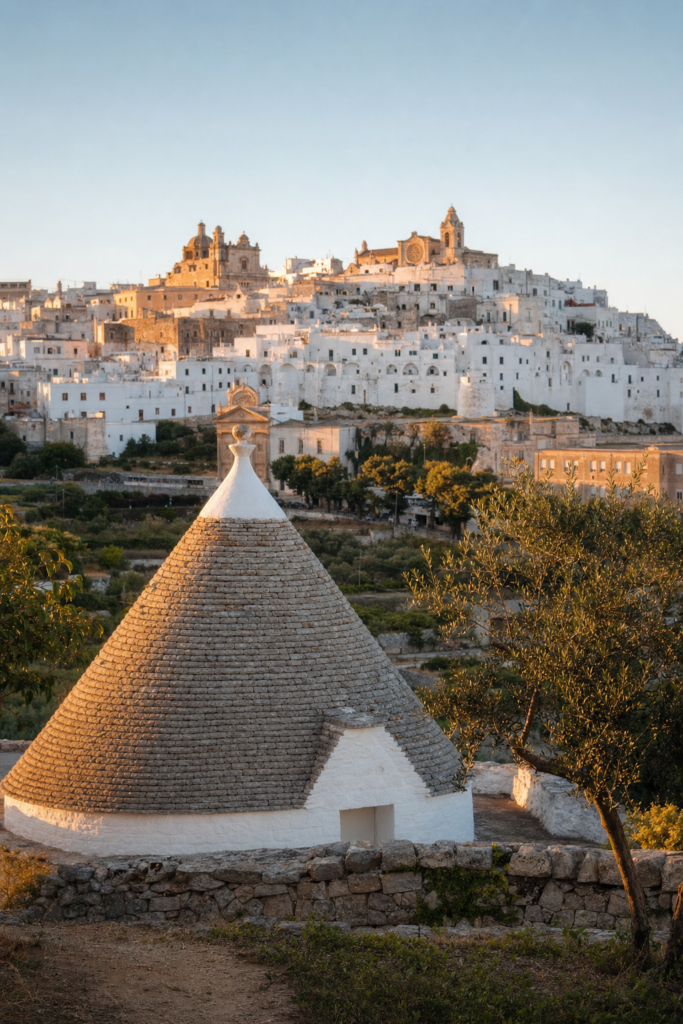
Puglia is no longer a secret, and Alberobello in particular is busy. The Trulli of Alberobello have been a UNESCO site since 1996, and the town recorded 23 per cent more overnight stays in the first half of 2025 than a year earlier, with organised groups making up 44 per cent of visitors.
Its Rione Monti district alone has about 1,000 trulli, according to the town’s visitor site, and the Trullo Sovrano charges €2 entry.
The quieter way to see the area is to base yourself elsewhere in the Itria Valley, where trulli are scattered through the farmland, and to spend time in Ostuni, the hilltop “White City” with a 15th-century cathedral at the top of its old town. Visit Alberobello early in the morning, then move on.
- Getting there: Brindisi Airport is about 30 km from Ostuni and Bari is roughly 80 to 90 km away. Ostuni’s railway station is about 2 km outside the town, with a bus up to the centre. Ferrovie del Sud Est runs regional trains from Bari to Alberobello and Martina Franca, but a car makes the countryside much easier.
- Best time: May, June or September. Many Italians take their holidays in August, and Ostuni gets very crowded in July and August.
- Good to know: Ostuni’s patron saint festival, with a horseback parade, takes place in late August. Confirm the exact dates locally before planning around it.
15. Perast, Montenegro
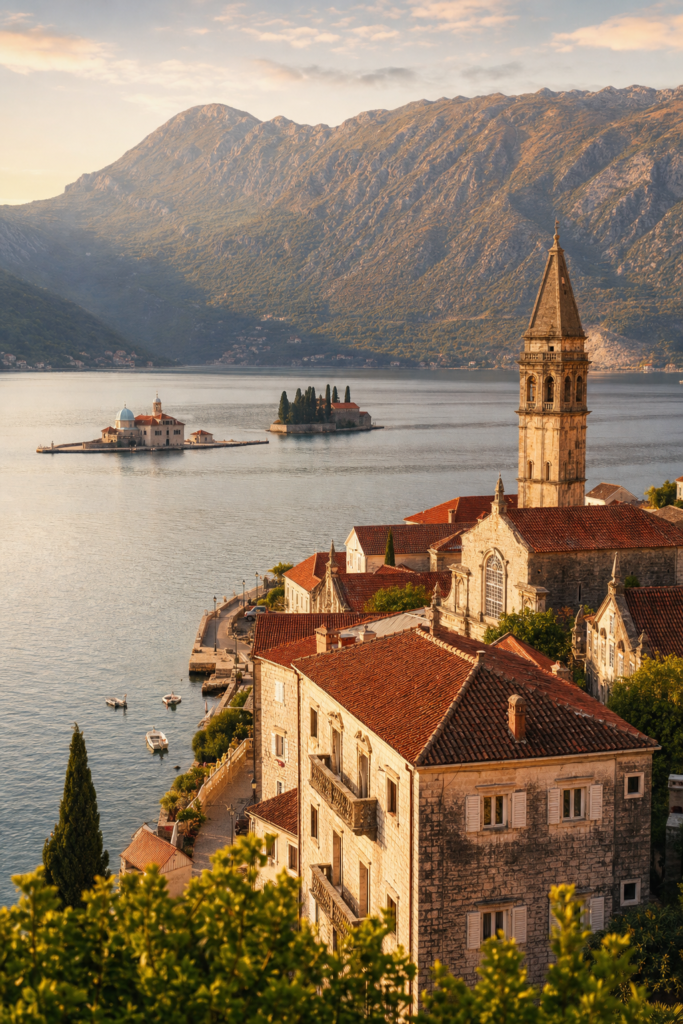
Perast is a small stone town of Baroque palaces on the Bay of Kotor. UNESCO’s listing of the Natural and Culturo-Historical Region of Kotor (1979) names it alongside Kotor as one of the bay’s authentically preserved small towns. Offshore sits Our Lady of the Rocks, an artificial island built up from rocks and sunken ships after, according to legend, sailors found an icon of the Madonna there in 1452. Its church museum holds 68 paintings by the 17th-century Perast painter Tripo Kokolja.
Every year at sunset on 22 July, locals keep the custom of the Fašinada, rowing out to throw more rocks around the island.
Perast is quieter than Kotor’s old town, but it is a standard stop on boat excursions from Kotor, so midday in summer can be crowded.
Cruise traffic in Kotor drives much of that: in October 2026 alone, 43 ship calls were scheduled, with up to three ships and about 11,000 passengers and crew on the busiest day. Check the cruise calendar and plan your Perast visit for a day with few or no ships, or go in the early morning or evening.
- Getting there: Tivat Airport is the closest. Local buses run along the bay road from Kotor. The centre of Perast is pedestrianised, with paid car parks at the east and west entrances, so leave the car there and walk in.
- Best time: May, June, September and October, on low-cruise days.
- Good to know: small boats shuttle visitors to Our Lady of the Rocks from the waterfront. The neighbouring islet of St George holds a Benedictine monastery and a cemetery and, according to the Routard guide, is not open to the public.
Planning Tips for a Quieter Trip
- Check event calendars, not just the season. Several places on this list are quiet most of the year and full for one or two weeks: Sibiu in late June, Óbidos in July and December, Ghent in July, Telč around the turn of July and August.
- Look up cruise schedules for coastal towns. In the Bay of Kotor, ship calls change the crowd level more than the month does. Port schedule sites list daily calls and passenger numbers.
- Stay overnight where day trips dominate. Setenil, Óbidos, Symi and Perast are all popular day trips from bigger bases, so early mornings and evenings are calmer.
- Rent a car for the rural stops. Setenil, the Soča Valley and the Itria Valley have limited public transport; the city stops (Ghent, Tartu, Sibiu) work well without one.
Frequently Asked Questions
Which of these places are outside the Schengen area?
Albania (Gjirokastër), North Macedonia (Ohrid), Montenegro (Perast) and the Faroe Islands. Romania joined Schengen fully on 1 January 2025, so Sibiu is inside it. If you combine Schengen and non-Schengen stops, each crossing of the Schengen external border is recorded in the EES, and the days spent outside Schengen do not count toward the 90-day limit.
Do I need ETIAS for a trip in late 2026?
Not as of October 2026. ETIAS is not yet operating and no applications are being collected. The EU has said it will announce the start date several months before launch, so a sudden requirement is unlikely. Use only the official EU site to apply when it opens, since unofficial sites charge extra fees.
Which places can I reach without a car?
Ghent, Tartu, Sibiu, Óbidos, Vis, Symi, Ohrid and Perast all work by train, bus or ferry. Gimmelwald is car-free and reached by cable car. Setenil, the Soča Valley and the Itria Valley countryside are much easier with a car, and Telč is far faster by road than by train.
Which of these are worth visiting in winter?
The cities hold up best: Ghent, Tartu and Sibiu all have museums and indoor sights, and Óbidos runs its Vila Natal Christmas event from late November. Outdoor sights are more seasonal: the Faroes’ Mykines guided-hike rules apply from May to August, Telč’s chateau is generally open only from April to October, and Symi’s tourist season runs from Easter to early November.
Final Thoughts
Each of these 15 places is quieter than a famous neighbour if you pick the right day. Check the festival and cruise calendars, stay a night where day trips dominate, and confirm transport and entry rules close to your travel date. For more places like these, browse Tripvorra’s hidden destinations guides.
[…] more places that reward a slower stop, see our guides to hidden gems in Europe and underrated towns in […]